How to Taste Wine Like a Pro
Wine tasting isn’t about being an expert—it’s about paying attention to what you see, smell, and taste. Whether you’re opening your first bottle or visiting a winery, these five simple steps will help you enjoy wine with more confidence and discover the styles you love.
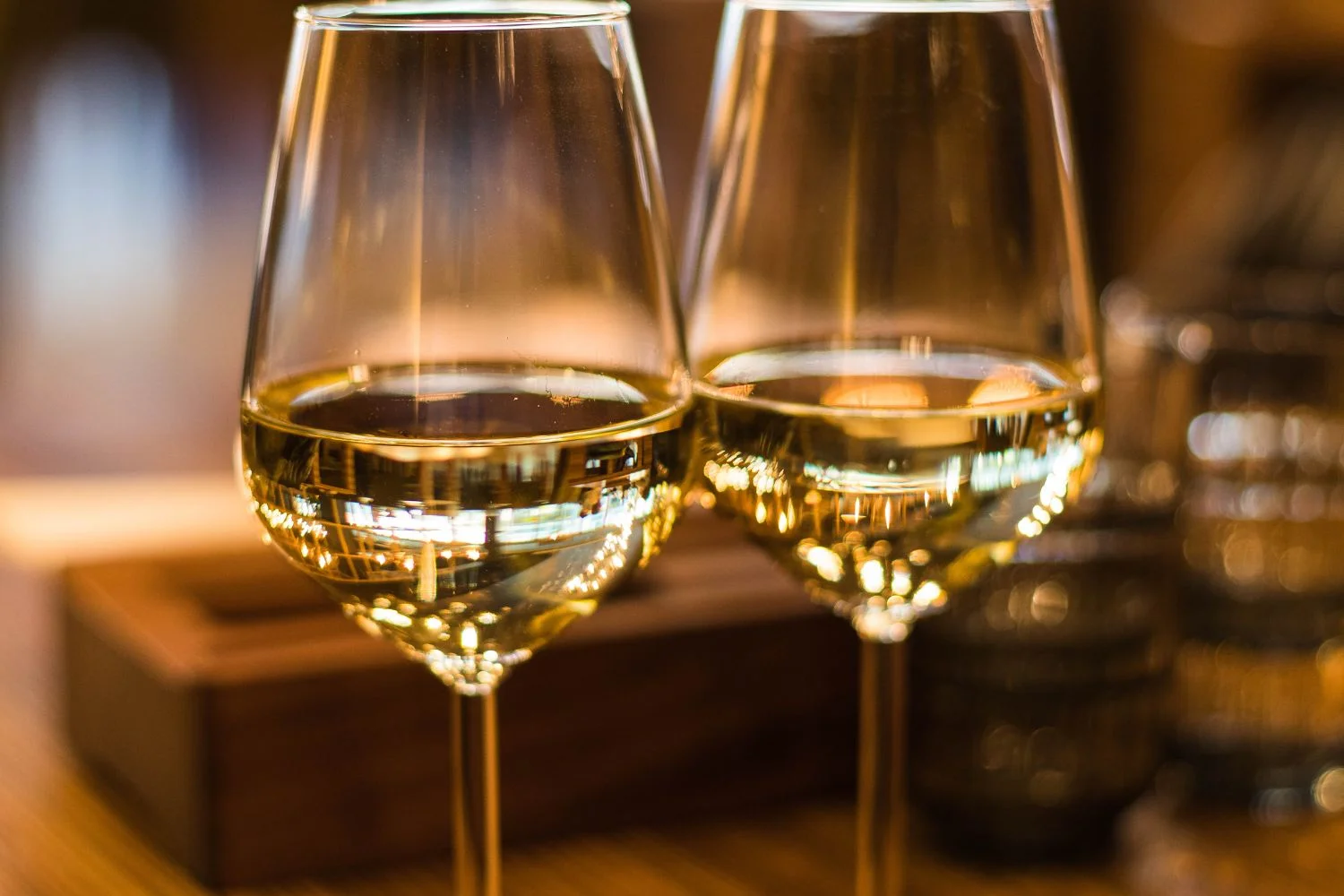
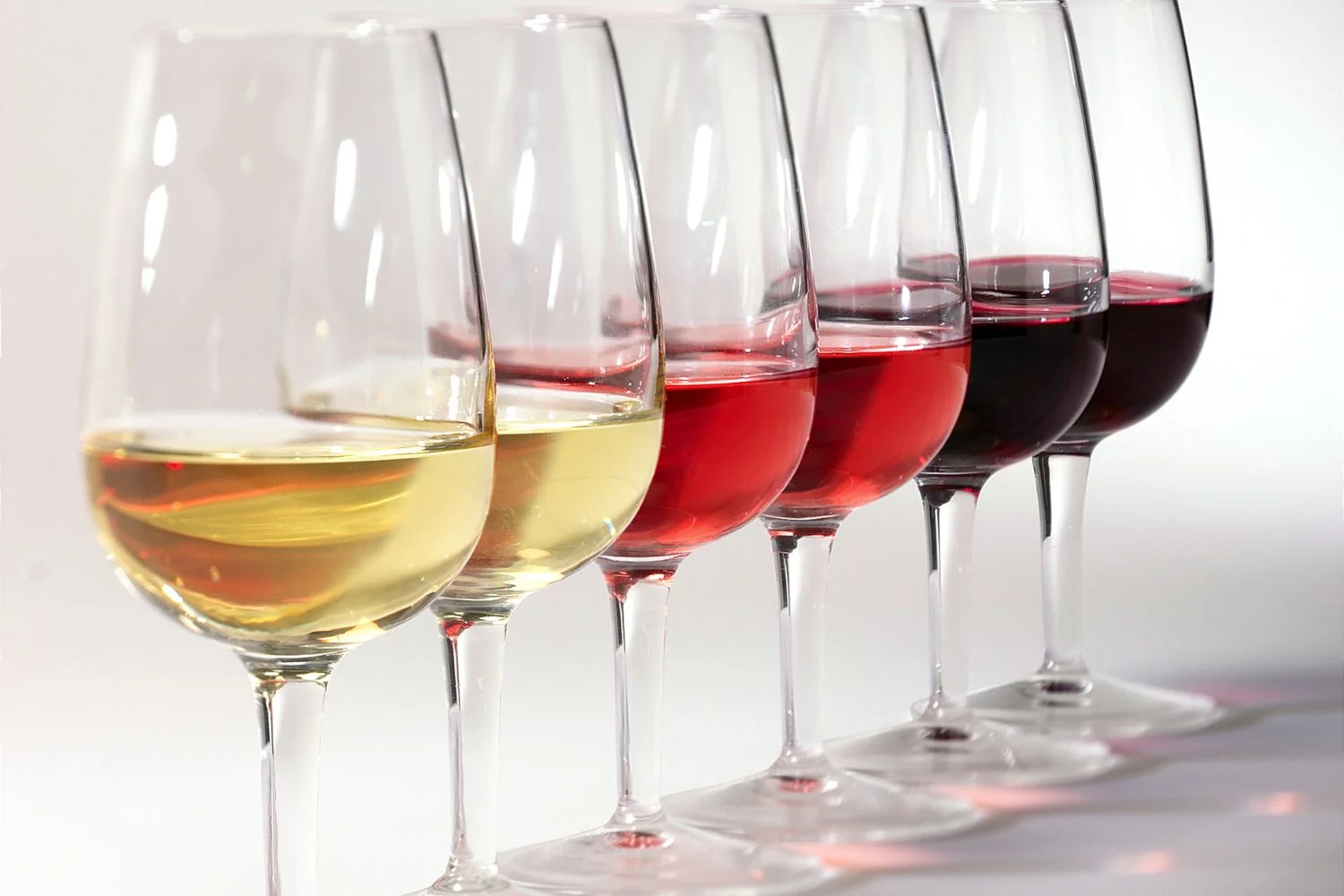
Before taking your first sip, hold the glass against a white background and examine the wine’s appearance. Notice its color, clarity, and intensity. Young white wines are often pale straw or light gold, while older whites become deeper gold. Red wines typically range from bright ruby when young to brick-red as they age. Cloudiness may indicate sediment or an unfiltered wine, while a clear appearance is generally expected.
Swirling introduces oxygen into the wine, allowing its aromas to become more noticeable. Hold the glass by the stem and gently swirl for a few seconds. As you swirl, watch the “legs” or “tears” running down the glass. While they don’t determine quality, they can indicate alcohol or sugar levels.
Bring the glass to your nose and take several short sniffs instead of one deep inhale. Try identifying fruit, floral, spice, herbal, oak, or earthy aromas. There are no wrong answers—everyone’s palate is different. Developing your sense of smell is one of the quickest ways to improve your wine tasting skills.
Take a small sip and let it coat your entire mouth before swallowing. Notice the sweetness, acidity, tannins (for reds), body, alcohol, and flavor intensity. Think about balance rather than searching for a “perfect” flavor. Every wine tells a slightly different story.
The finish is the flavor that remains after swallowing. Some wines disappear quickly, while others linger for many seconds. Longer finishes often indicate higher-quality wines, but what matters most is whether you enjoy the experience.
Many new wine drinkers worry about using the correct vocabulary or identifying every flavor. Instead, focus on whether you enjoy the wine. Avoid serving wine too warm, filling the glass too high, or rushing through your tasting. Slowing down makes every bottle more enjoyable.
- Hold the glass by the stem.
- Taste lighter wines before heavier wines.
- Drink water between tastings.
- Cleanse your palate with crackers or bread.
- Take notes on wines you enjoy.
- Remember that personal preference matters more than expensive bottles.
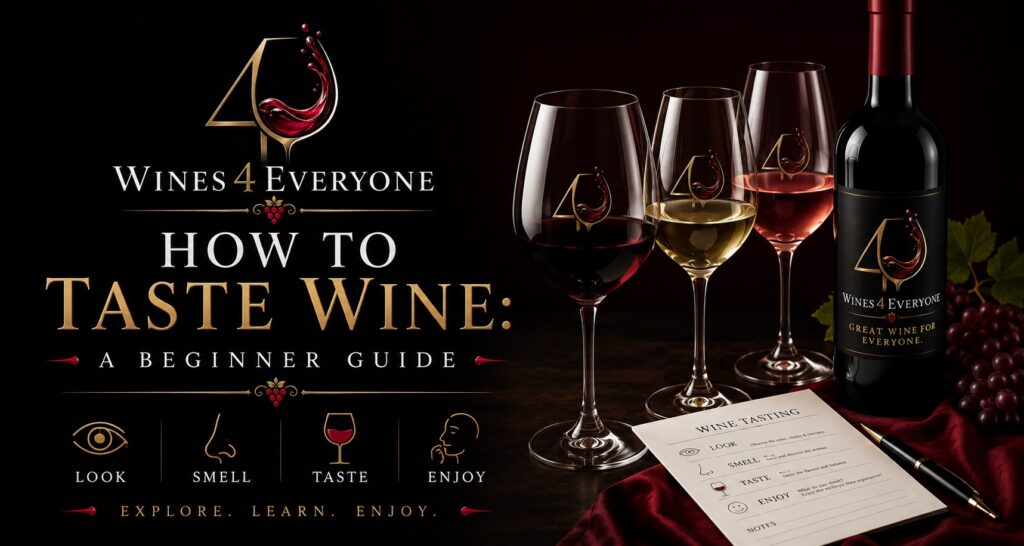
Wines4Everyone · Beginner Series
How to Taste Wine
Look. Smell. Taste. Enjoy. Master the five simple steps and start tasting like a pro, one glass at a time.
The Method
Taste Wine in 5 Simple Steps
Build Your Foundation
Start With the Basics
Go Deeper
Sharpen Your Palate
From the Blog
Wine Basics Worth a Read
Pour, Swirl, Discover
Ready to Taste Like a Pro?
Grab a glass and follow along. Your palate gets sharper with every sip.
Open the Full Tasting Guide →Sommelier's Companion
How to Taste Wine
Tasting wine is a skill anyone can learn. Master it in five simple steps — see, swirl, smell, sip, and savor like a pro.
- 01See Tilt the glass against a white background. Note the color, depth, and clarity — they hint at age, grape, and body.
- 02Swirl Gently swirl to open the wine up. This releases aromas and reveals the "legs" that streak down the glass.
- 03Smell Take a short sniff, then a deeper one. Fruit, floral, oak, or earth — most of what you "taste" is really smell.
- 04Sip Take a small sip and let it coat your whole palate. Notice the sweetness, acidity, tannin, and body.
- 05Savor Pay attention to the finish — the flavors that linger after you swallow. The longer it lasts, the finer the wine.
The Anatomy of a Wine Label
Decoding the Bottle
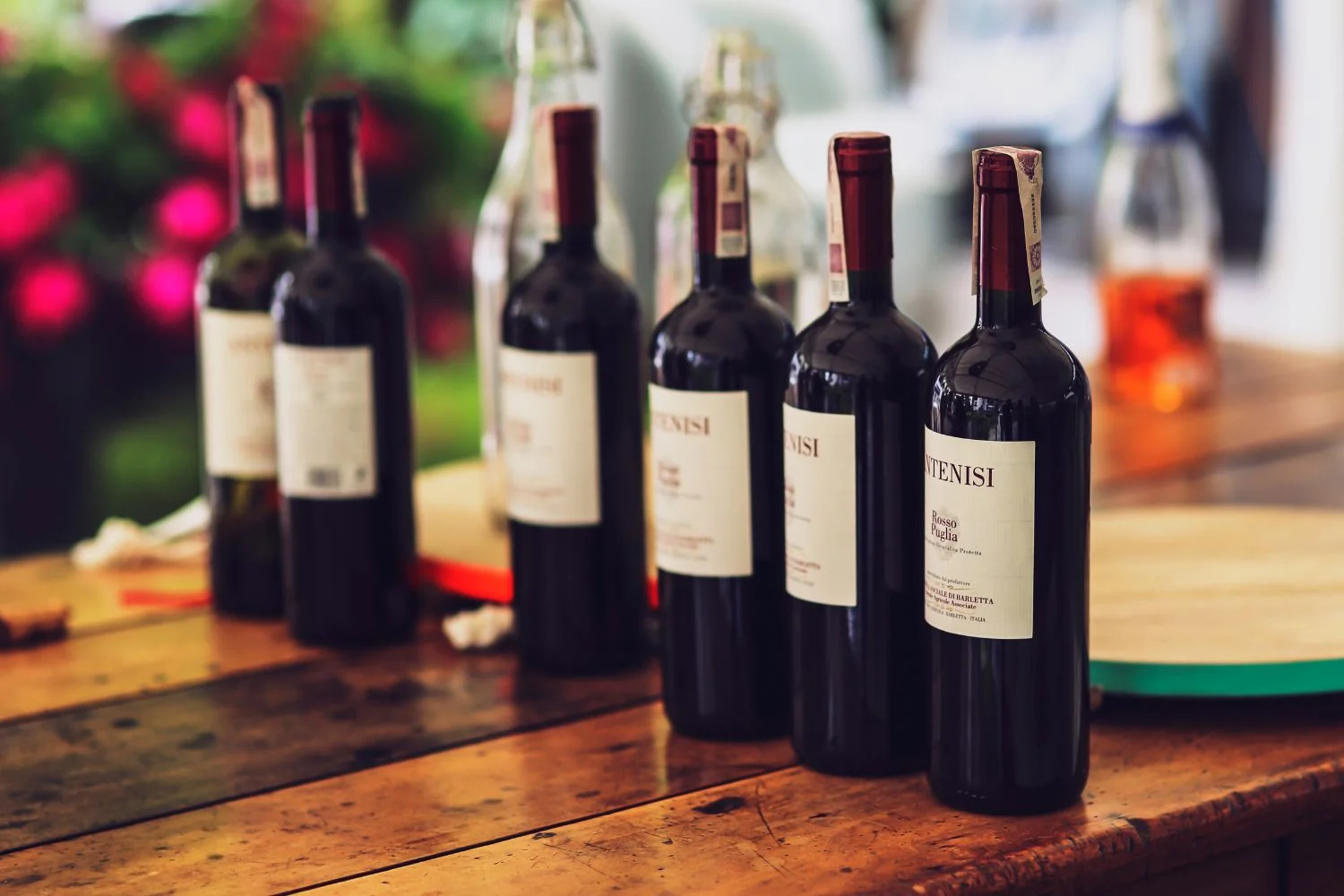
Before you even pull the cork, the label tells a story. We break down the difference between varietal-based labeling (common in the New World, like California Chardonnay) and region-based labeling (common in the Old World, like French Chablis). Learning to identify the region, vintage, and ABV (alcohol by volume) is the first step in predicting the style and weight of the wine inside.
The 5 S’s of Professional Tasting
How to Taste Like a Pro
Tasting is a sensory skill that anyone can learn. Follow this foundational framework to evaluate any glass:
- See: Observe the color and clarity to judge age and concentration.
- Swirl: Aerate the wine to release hidden aromas.
- Sniff: Identify primary fruit, secondary fermentation notes, and tertiary aging scents.
- Sip: Evaluate the structure—acid, tannin, and alcohol.
- Savor: Note the “finish” or how long the flavor lingers on your palate.
Proper Glassware & Temperature
Serving for Maximum Flavor
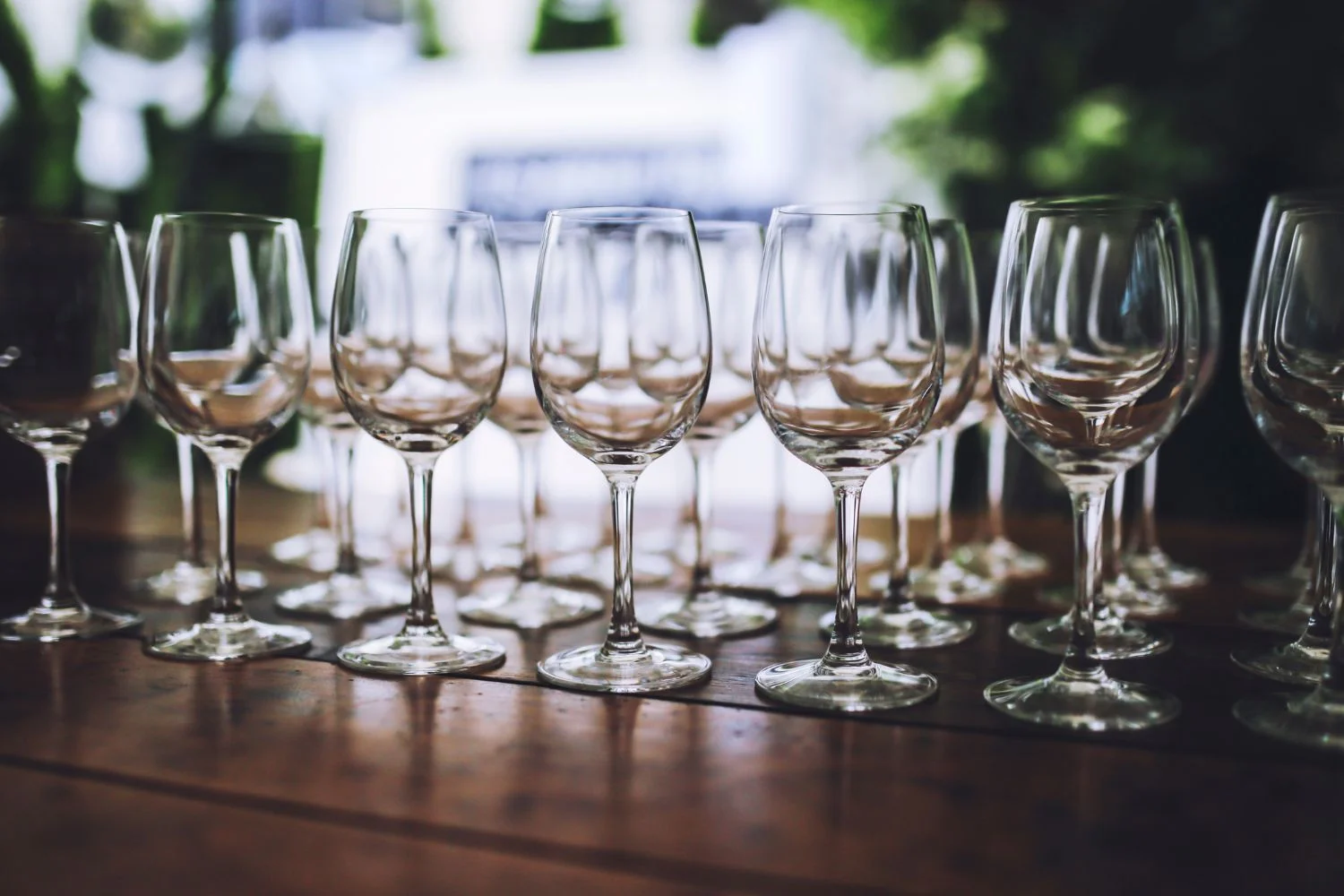
The vessel and the temperature can drastically change your experience. While specialized glasses are great, a standard universal wine glass works for most varieties. More importantly, we debunk the “room temperature” myth: most reds benefit from a slight chill (60°F–65°F) to keep the alcohol from masking the fruit, while whites should be crisp but not ice-cold (45°F–50°F).
Understanding Wine Structure
Acid, Tannin, and Body
Every wine is built on a structural “skeleton.”
- Acidity provides the mouth-watering “zing” found in white wines like Sauvignon Blanc.
- Tannins are the drying compounds found in red skins that give a wine its grip.
- Body refers to the weight or viscosity—think of the difference between skim milk (light body) and whole milk (full body).
Ready to Find Your Perfect Wine Match?
Answer a few simple questions about your taste, food preferences, and wine style. We’ll help point you toward wines you’re more likely to enjoy.
Frequently Asked Wine Tasting Questions
1. How do you taste wine properly?
The easiest way to taste wine is to follow the Five S’s: See, Swirl, Smell, Sip, and Savor. Observe the wine’s appearance, swirl to release aromas, smell carefully, take a small sip, and pay attention to the finish. With practice, you’ll become better at identifying flavors and styles you enjoy.
2. What are the Five S’s of wine tasting?
The Five S’s are:
- See
- Swirl
- Smell
- Sip
- Savor
These five steps provide a simple method for evaluating any wine, whether you’re at home or visiting a winery.
3. Do you have to swirl wine before tasting it?
Yes. Swirling exposes the wine to oxygen, helping release its aromas. A few gentle circles are enough to make the bouquet easier to smell and enhance the tasting experience.
4. What should I smell when tasting wine?
Look for common aromas such as berries, citrus, apples, peaches, flowers, herbs, vanilla, spice, chocolate, or oak. Everyone’s sense of smell is different, so there are no right or wrong answers.
5. How much wine should you pour for a tasting?
A typical tasting pour is about 2 to 3 ounces (60–90 mL). This provides enough wine to swirl, smell, and taste without overfilling the glass.
6. Why do people hold a wine glass by the stem?
Holding the stem prevents your hand from warming the wine and keeps fingerprints off the bowl, making it easier to examine the wine’s color and clarity.
7. Does expensive wine taste better?
Not necessarily. Price doesn’t always reflect personal preference. Many affordable wines offer excellent quality, and the best wine is ultimately the one you enjoy drinking.
8. How can beginners improve their wine tasting skills?
Practice is the best teacher. Taste different wine varieties, compare wines side by side, take notes on what you like, and learn common wine terminology. Over time, recognizing flavors and aromas becomes much easier.
9. Is it okay to spit wine during a tasting?
Yes. At professional tastings and wineries, spitting is completely normal. It allows you to evaluate multiple wines without consuming too much alcohol.
10. What is the most important thing to remember when tasting wine?
Trust your own palate. Wine tasting isn’t about impressing others or finding the “correct” flavor notes. The goal is to discover what you enjoy and become more confident with every glass.
Ready to Find Your Perfect Food Pairing?
Whether you’re serving Cabernet Sauvignon, Chardonnay, Pinot Noir, or Rosé, the right meal can make all the difference. Answer a few quick questions and receive personalized food recommendations tailored to the wine you’re enjoying.