Wine Pairings | Wine With Cheese
Cheese is one of the most classic foods to pair with wine, but the best match depends on the style of cheese. Soft cheese needs freshness. Hard cheese needs structure. Blue cheese needs sweetness or bold fruit. Goat cheese needs bright acidity. Creamy cheese needs bubbles. Aged cheese can handle deeper red wines. Once you understand the texture, salt, fat, and intensity of the cheese, choosing the right wine becomes much easier.
This guide breaks down the best wine pairings with cheese by cheese style, flavor, and texture so you can choose the right bottle for everything from Brie and cheddar to goat cheese, Parmesan, Gouda, blue cheese, Manchego, mozzarella, and full cheese boards.
CHAMPAGNE & BRIE

SAUVIGNON BLANC & GOAT CHEESE
CABERNET & AGED CHEDDAR
PORT & BLUE CHEESE
MATCH SALT TO SWEET
CHIANTI & PARMIGIANO
PROSECCO & BURRATA
TEMPRANILLO & MANCHEGO
PINOT NOIR & GRUYÈRE
PAIR BY REGION
The Ultimate Wine & Cheese Pairing Guide
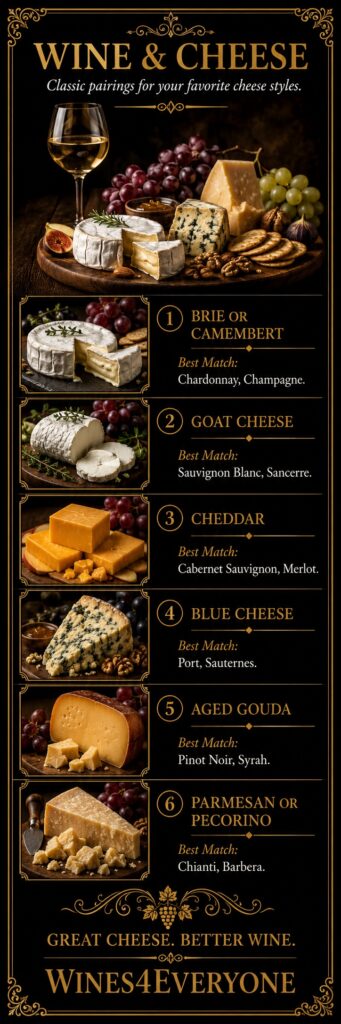
| Cheese Style / Type | Recommended Wines | Why it Works |
|---|---|---|
| Brie | Champagne, Chardonnay, Pinot Noir | Bubbles and soft wines match creamy texture and buttery rind. |
| Camembert | Champagne, Pinot Noir, Chardonnay | Bright wines cut through rich cream and earthy mushroom notes. |
| Fresh Goat Cheese (Chèvre) | Sauvignon Blanc, Sancerre, Vermentino | Crisp, herbal whites match tangy goat cheese and bright acidity. |
| Aged Goat Cheese | Sauvignon Blanc, Chardonnay, Dry Rosé | Fuller whites match deeper, nutty flavor and firmer texture. |
| Mozzarella | Pinot Grigio, Prosecco, Sauvignon Blanc | Light, fresh wines match milky mozzarella, basil, and tomato. |
| Burrata | Prosecco, Pinot Grigio, Vermentino | Crisp bubbles and bright whites match creamy center and olive oil. |
| Ricotta | Pinot Grigio, Prosecco, Sauvignon Blanc | Light wines match mild, milky flavor without overpowering the cheese. |
| Feta | Sauvignon Blanc, Assyrtiko, Dry Rosé | High-acid whites match briny, salty feta and Mediterranean flavors. |
| Halloumi | Sauvignon Blanc, Dry Rosé, Vermentino | Fresh wines match salty, grilled cheese and char-forward flavor. |
| Cheddar (Mild) | Chardonnay, Pinot Noir, Merlot | Soft, fruity wines match creamy cheddar without clashing with mild flavor. |
| Cheddar (Sharp / Aged) | Cabernet Sauvignon, Malbec, Zinfandel | Bold reds match sharp tang, salt crystals, and aged complexity. |
| Gouda (Young) | Chardonnay, Pinot Noir, Riesling | Rounded wines match buttery, nutty flavor and smooth texture. |
| Aged Gouda | Cabernet Sauvignon, Syrah, Tawny Port | Full-bodied reds and fortified wines match caramel, nut, and crystalline depth. |
| Parmigiano-Reggiano | Chianti, Sangiovese, Champagne | Italian reds and bubbles match nutty, salty, crystalline aged flavor. |
| Pecorino Romano | Chianti, Sangiovese, Vermentino | Acidic Italian wines match sharp, salty sheep’s milk character. |
| Manchego | Tempranillo, Rioja, Albariño | Spanish reds and whites match nutty, slightly sweet sheep’s milk cheese. |
| Gruyère | Chardonnay, Pinot Noir, Champagne | Balanced wines match nutty, savory cheese and rich melted texture. |
| Swiss / Emmental | Chardonnay, Pinot Noir, Riesling | Soft wines match mild, nutty cheese and slight natural sweetness. |
| Havarti | Chardonnay, Pinot Grigio, Pinot Noir | Light, soft wines match buttery, creamy cheese and mild tang. |
| Blue Cheese (Gorgonzola) | Port, Sauternes, Late-Harvest Riesling | Sweet wines balance salty, pungent blue veins and creamy texture. |
| Roquefort | Sauternes, Port, Late-Harvest Riesling | Sweet wines match intense salt and sharp blue mold character. |
| Stilton | Port, Sauternes, Madeira | Rich fortified wines balance bold, salty, and crumbly blue cheese. |
| Smoked Gouda | Zinfandel, Syrah, Chardonnay | Fruit-forward wines match smoky, rich, and savory flavor. |
| Cheese Board (Mixed) | Champagne, Pinot Noir, Dry Rosé | Versatile wines match a wide range of textures, ages, and flavors. |
Mastering the Art of Cheese and Wine Pairing
To choose the best wine with cheese, start with the cheese style. The wine should either match the richness of the cheese or cut through it with acidity, bubbles, or sweetness.
Soft and Creamy Cheese
Brie, Camembert, triple cream cheese, and mascarpone pair well with sparkling wine, Chardonnay, Champagne, and dry rosé. Bubbles and acidity cut through the creamy texture and keep the pairing balanced.
Hard and Aged Cheese
Aged cheddar, Parmesan, Manchego, Pecorino, and aged Gouda need wines with more structure. Cabernet Sauvignon, Chianti, Rioja, Merlot, and Zinfandel can stand up to the salt, firmness, and concentrated flavor.
Goat Cheese
Goat cheese is tangy and bright, so it pairs best with crisp white wines. Sauvignon Blanc is the classic choice because its citrus and herbal notes match the cheese’s acidity.
Blue Cheese
Blue cheese is salty, bold, and intense, so it needs a wine with sweetness or deep fruit. Port, Sauternes, Riesling, Zinfandel, and late-harvest wines can balance the sharpness and salt.
The Best Wines With Cheese
The Best Wine for Brie
Champagne is one of the best wines for Brie because the bubbles and acidity cut through the creamy texture. Brie is rich but mild, so the wine should refresh the palate without overpowering the cheese.
Chardonnay is another strong choice, especially if the Brie is baked or served with fruit, nuts, or honey. Dry rosé can also work well for a lighter, more flexible pairing.
Best Wines for Brie
Champagne
Sparkling Wine
Chardonnay
White Burgundy
Dry Rosé
Pinot Noir
The Best Wine for Cheddar
Cheddar pairs well with wines that can handle salt, richness, and sharpness. Cabernet Sauvignon is a strong match for aged cheddar because its tannins and dark fruit stand up to the cheese’s intensity.
For milder cheddar, Merlot, Pinot Noir, or Chardonnay may be a better choice. Sharp cheddar also works beautifully with Zinfandel and Rioja.
Best Wines for Cheddar
Cabernet Sauvignon
Merlot
Zinfandel
Rioja
Chardonnay
Pinot Noir
The Best Wine for Goat Cheese
Sauvignon Blanc is the classic wine pairing for goat cheese. The wine’s bright acidity and citrus character match the tangy flavor of the cheese while keeping the pairing fresh.
Goat cheese also pairs well with Albariño, Vermentino, Chenin Blanc, and dry rosé. If the goat cheese is served with herbs, vegetables, or salads, crisp white wine is usually the best choice.
Best Wines for Goat Cheese
Sauvignon Blanc
Albariño
Vermentino
Chenin Blanc
Dry Rosé
Sancerre
The Best Wine for Blue Cheese
Blue cheese needs a wine that can balance salt, sharpness, and intensity. Port is one of the classic pairings because its sweetness and dark fruit soften the bold flavor of the cheese.
Sauternes, late-harvest Riesling, and sweet white wines also work well. If you prefer red wine, Zinfandel or a rich Syrah can stand up to blue cheese better than lighter reds.
Best Wines for Blue Cheese
Port
Sauternes
Late-Harvest Riesling
Zinfandel
Syrah
Ice Wine
The Best Wine for Parmesan
Parmesan is salty, nutty, and firm, so it pairs well with wines that have acidity and structure. Chianti and Sangiovese are excellent choices because they complement the cheese’s savory character without overwhelming it.
Sparkling wine is also excellent with Parmesan because the bubbles refresh the palate and balance the salt. For a richer pairing, try Barolo, Rioja, or Cabernet Sauvignon.
Best Wines for Parmesan
Chianti
Sangiovese
Barolo
Rioja
Sparkling Wine
Cabernet Sauvignon
The Best Wine for Gouda
Gouda can pair with several wines depending on its age. Young Gouda is creamy and mild, so it works well with Chardonnay, Pinot Grigio, and dry rosé. Aged Gouda is firmer, nuttier, and more caramel-like, so it needs a richer wine.
Merlot, Cabernet Sauvignon, Zinfandel, and Tawny Port all pair well with aged Gouda. The wine should have enough body to match the cheese’s depth.
Best Wines for Gouda
Merlot
Cabernet Sauvignon
Zinfandel
Chardonnay
Tawny Port
Dry Rosé
The Best Wine for Mozzarella
Mozzarella is mild, milky, and soft, so it pairs best with fresh wines. Pinot Grigio, Sauvignon Blanc, Vermentino, and sparkling wine are excellent choices.
If the mozzarella is served with tomato and basil, Sangiovese, Chianti, or dry rosé can work well. The key is choosing a wine that keeps the pairing light and clean.
Best Wines for Mozzarella
Pinot Grigio
Sauvignon Blanc
Vermentino
Sparkling Wine
Dry Rosé
Chianti
The Best Wine for Manchego
Manchego is nutty, salty, and firm, which makes it excellent with medium-bodied red wines. Rioja is one of the best choices because it matches the Spanish origin of the cheese and complements its savory depth.
Tempranillo, Garnacha, Cava, and Cabernet Sauvignon can also work well. For a lighter pairing, dry rosé is a good choice.
Best Wines for Manchego
Rioja
Tempranillo
Garnacha
Cava
Cabernet Sauvignon
Dry Rosé
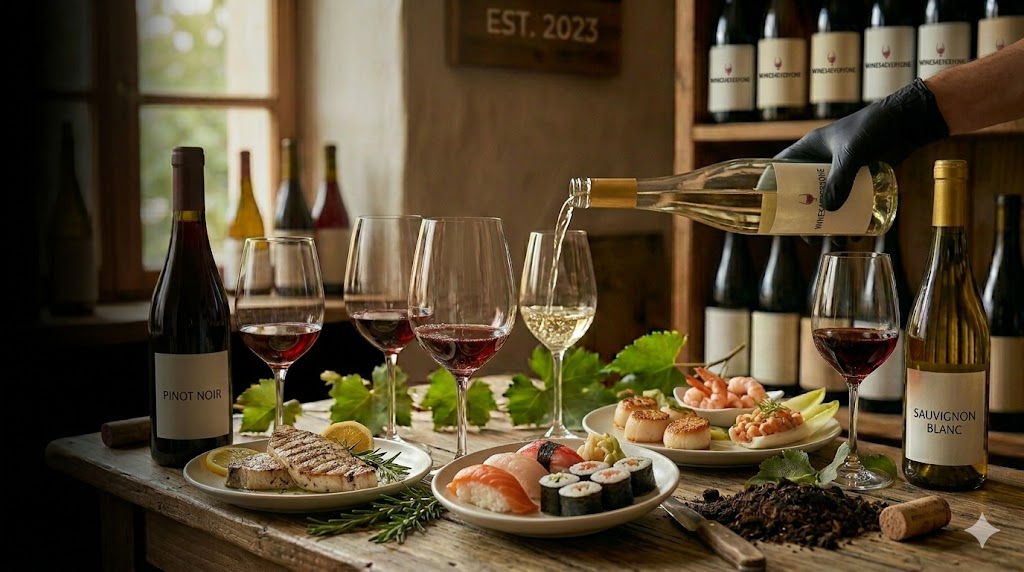
Breaking the Rules: When White Wine Works Better Than Red Wine
Many people assume red wine is always the best wine with cheese, but white wine often works better. Cheese is salty and fatty, and white wine usually has the acidity needed to refresh the palate.
Sauvignon Blanc, Chardonnay, Chenin Blanc, Riesling, Champagne, and Pinot Grigio can pair with a wide range of cheeses. White wine is especially strong with goat cheese, Brie, Camembert, mozzarella, ricotta, fresh cheese, and creamy cheese.
Red wine works best with firmer, aged, or more intense cheeses. Heavy reds can overpower delicate soft cheeses and may taste harsh with very salty or tangy cheese.
Why These Wine Pairings Work
Choosing the best wine pairing with cheese comes down to texture, salt, fat, age, and intensity.
Champagne: The Creamy Cheese Match
Champagne and sparkling wine work beautifully with creamy cheese because bubbles and acidity cut through fat. This makes them excellent with Brie, Camembert, triple cream cheese, and soft cheese boards.
Sauvignon Blanc: The Goat Cheese Classic
Sauvignon Blanc works with goat cheese because both have bright acidity and fresh flavor. It is especially strong with goat cheese salads, herbed goat cheese, and vegetable-focused cheese plates.
Cabernet Sauvignon: The Aged Cheese Partner
Cabernet Sauvignon works best with firm, aged cheeses like sharp cheddar, aged Gouda, and Parmesan. Its tannins and dark fruit can stand up to salt and concentrated flavor.
Port: The Blue Cheese Balance
Port pairs well with blue cheese because sweetness balances salt and sharpness. The result is bold, rich, and balanced instead of harsh.
Best Cheese-Friendly White Wines
If you are choosing white wine with cheese, look for bottles with acidity, texture, or bubbles.
Sauvignon Blanc
Best for goat cheese, feta, fresh cheese, herb cheese, vegetable boards, and tangy cheeses.
Chardonnay
Best for Brie, Camembert, Gouda, creamy cheese, baked cheese, and richer cheese boards.
Pinot Grigio
Best for mozzarella, ricotta, mild cheese, fresh cheese, and light cheese plates.
Chenin Blanc
Best for goat cheese, Gruyère, cheddar, creamy cheese, and mixed cheese boards.
Riesling
Best for blue cheese, spicy cheese, washed rind cheese, and salty cheese.
Champagne
Best for Brie, Camembert, triple cream cheese, Parmesan, fried cheese, and full cheese boards.
FAQs
Frequently Asked Questions
What is the best wine to pair with cheese?
The best wine to pair with cheese depends on the cheese style. Champagne is excellent with creamy cheeses. Sauvignon Blanc is best with goat cheese. Cabernet Sauvignon works well with aged cheddar. Port is one of the best choices for blue cheese.
What red wine goes best with cheese?
Cabernet Sauvignon, Merlot, Pinot Noir, Zinfandel, Chianti, Rioja, and Barbera all pair well with cheese depending on the style. Lighter reds work with soft and earthy cheeses, while fuller reds work better with aged, firm cheeses.
What white wine goes best with cheese?
Sauvignon Blanc, Chardonnay, Pinot Grigio, Chenin Blanc, Riesling, and Champagne all pair well with cheese. White wine is often better than red wine for soft, fresh, creamy, and tangy cheeses.
What wine goes with Brie?
Brie pairs well with Champagne, sparkling wine, Chardonnay, white Burgundy, dry rosé, and Pinot Noir. Bubbles are especially good because they cut through the creamy texture.
What wine goes with cheddar cheese?
Cheddar pairs well with Cabernet Sauvignon, Merlot, Zinfandel, Rioja, Chardonnay, and Pinot Noir. Sharp cheddar works best with wines that have more structure and fruit.
What wine goes with goat cheese?
Sauvignon Blanc is the classic wine pairing for goat cheese. Albariño, Vermentino, Chenin Blanc, dry rosé, and Sancerre also work well because they match the cheese’s bright acidity.
What wine goes with blue cheese?
Blue cheese pairs best with Port, Sauternes, late-harvest Riesling, ice wine, Zinfandel, and Syrah. Sweet wines are especially effective because they balance the salty, sharp flavor.
What wine goes with Parmesan?
Parmesan pairs well with Chianti, Sangiovese, Barolo, Rioja, sparkling wine, and Cabernet Sauvignon. The cheese’s salty and nutty flavor needs acidity and structure.
Is white wine or red wine better with cheese?
White wine is often better with soft, creamy, fresh, and tangy cheeses because acidity cuts through fat and salt. Red wine works better with aged, firm, nutty, and more intense cheeses.
What wine should I avoid with cheese?
Avoid wines that overpower the cheese or clash with its texture. Very tannic reds can taste harsh with soft, creamy cheese. Very dry, high-alcohol reds can overwhelm fresh cheese. Very sweet wines should be reserved for blue cheese, salty cheese, or dessert-style cheese plates.

Ready to Find Your Perfect Wine Match?
Answer a few simple questions about your taste, food preferences, and wine style. We’ll help point you toward wines you’re more likely to enjoy.