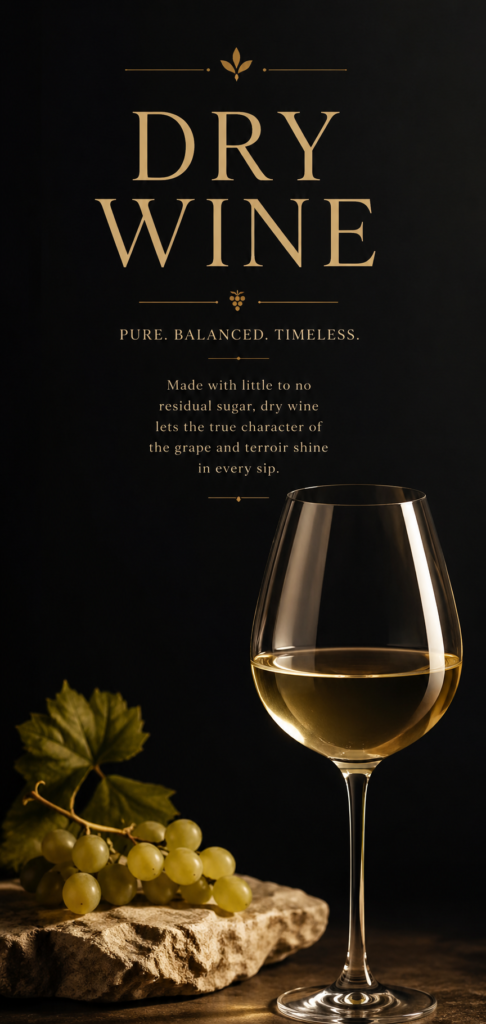
Discover the bold, savory world of dry wine—where the focus shifts from simple sweetness to complex character. A “dry” wine is simply one where the natural grape sugars have been fully fermented into alcohol, leaving behind a crisp, structured drink that highlights the true flavors of the vineyard. Whether you’re looking for a zesty white or a powerful red, mastering the basics of dry wine is the key to unlocking the ultimate food pairings and a more sophisticated palate.
Dry wines are defined by their vibrant acidity. Without sugar to mask it, the natural brightness of the grape shines through, creating a refreshing "zing" that cleanses your palate and leaves you ready for the next sip.
When a wine is dry, you can taste the "secondary" flavors: the earth, the minerals, and the subtle spice from the vineyard. It’s a savory experience that offers more depth than a simple, sugary fruit juice.
Dry wines are the secret to a perfect meal. Their lack of sugar means they won't clash with your food; instead, they cut through rich fats and balance out salty flavors to make every bite taste better.
In the world of wine, “dry” is simply the opposite of “sweet.” When you drink a dry wine, you aren’t tasting a lack of moisture; you are experiencing a wine where the yeast has consumed nearly all the natural grape sugars during fermentation. This leaves behind a liquid that is crisp, savory, and focused on mineral or herbal flavors. Many beginners confuse the “drying” sensation of tannins (that grippy feeling on your gums) with actual dryness. While they often go hand-in-hand in red wines, dryness is strictly about the absence of sugar, allowing the true character of the grape and the land to shine through without being masked by sweetness.
Dry wines are the ultimate partners for food. Because they lack heavy sugar, they possess a higher perceived acidity that “cuts” through rich fats and balances salty dishes. From a bone-dry French Rosé to a structured Italian Chianti, these wines are designed to refresh the palate. Winemakers favor dry styles because they allow for more complex “secondary” flavors to emerge—think of the vanilla from oak barrels, the earthiness of the soil, or the spice of the grape skin. Understanding dry wine is the first step toward mastering wine pairing and moving beyond the “juice-like” flavors of beginner bottles.