Your Guide to New Jersey Wine
New Jersey may not be the first place people think of for wine, but the region has built a strong and growing reputation. With diverse soils, a moderate climate, and a wide mix of grape varieties, the Garden State offers more range than many people expect. This guide covers what makes New Jersey wine unique and why it deserves a closer look.
New Jersey
Cabernet Franc is one of the strongest performers in New Jersey. It tends to ripen well in the local climate and produces wines with balance, structure, and fresh fruit character. Many wineries use it as a standalone red, while others blend it with Merlot or Cabernet Sauvignon. It is one of the most dependable grapes in the state.
The Outer Coastal Plain is the largest recognized wine growing area in New Jersey. It covers much of the southern part of the state and gives wineries room to work with a wide range of grapes. The region has sandy soils and a longer growing season, which helps with ripening and consistency. Many of New Jersey’s best known wineries are located here.
New Jersey wines often feel balanced and approachable. They are not usually as heavy as wines from hotter regions, but they still offer ripe fruit and solid structure. This makes them easy to pair with food and enjoyable for casual wine drinkers. The style tends to be welcoming rather than overly serious.
New Jersey wine has improved significantly over the years. Better vineyard practices, stronger winemaking, and more focused grape selection have raised the quality level across the state. More wineries are now producing bottles that go beyond local novelty and stand on their own merit. The region is still growing, which makes it worth watching.
Many New Jersey wineries are small and independently operated. That creates a more personal tasting room experience and gives producers more flexibility in what they make. Visitors often find limited production wines, seasonal releases, and a direct connection to the people behind the bottle. It feels local in the best way.
White wines are an important part of the New Jersey wine scene. Chardonnay, Vidal Blanc, Sauvignon Blanc, and Albariño can all perform well depending on the site and producer. These wines often show freshness, bright fruit, and a clean finish. They are especially popular during the warmer months and at tasting rooms.
One of New Jersey’s biggest strengths is diversity. Wineries across the state grow both vinifera and hybrid grapes, which gives the region a wide range of styles. You can find classic reds, crisp whites, rosé, fruit wines, and sparkling options without leaving the state. That variety keeps the region interesting and approachable.
What Makes New Jersey Wine Unique
Inside the Region
New Jersey has a long farming history and a wine scene that continues to grow. The state benefits from a mix of coastal influence, inland warmth, and seasonal variation that supports a wide range of grapes. This allows wineries to produce everything from crisp whites to fruit forward reds and sparkling wines.
The state is home to several recognized wine areas, including Outer Coastal Plain, Warren Hills, and the Central Delaware Valley. Each brings its own growing conditions and style. Some regions are better suited for Bordeaux grapes, while others do well with hybrids, Chardonnay, and Cabernet Franc. That range gives New Jersey wine more flexibility than many people realize.
Wines New Jersey Is Known For
What New Jersey Does Best
New Jersey wineries produce a wide range of wines, but a few styles show up again and again across the state. These are the bottles and grape varieties that help define the region and give new visitors a strong place to start.
- Cabernet Franc: One of New Jersey’s most reliable red grapes. Smooth, balanced, and food friendly.
- Chardonnay: A popular white with good body and ripe fruit character.
- Chambourcin: A regional favorite that performs well in the local climate. Soft, juicy, and versatile.
- Vidal Blanc: Crisp and bright with fresh fruit notes. Often used for still and sparkling wines.
- Merlot: A softer red that shows up at many wineries across the state.
Wines New Jersey Is Known For
What New Jersey Does Best
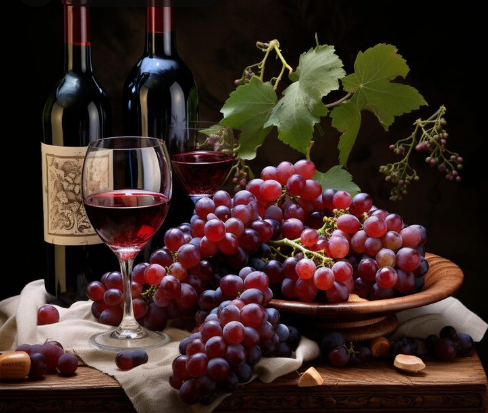
New Jersey is known for variety. Cabernet Franc is one of the standout grapes, often producing smooth, balanced reds with dark fruit and spice. Chardonnay also performs well, along with Merlot, Chambourcin, Vidal Blanc, and Sauvignon Blanc.
The region is not defined by just one signature bottle. That is part of what makes it interesting. Some wineries focus on classic vinifera grapes, while others lean into hybrids that perform well in the local climate. You will also find fruit wines, rosé, sparkling bottles, and small batch blends that reflect the local style.
What to Expect from New Jersey Wines
The Local Experience
New Jersey wines are often approachable, expressive, and easy to enjoy. Many bottles are made for local tasting rooms and direct visitors rather than mass production. That gives the region a more personal feel and allows smaller wineries to experiment with style and grape selection.
You can expect a mix of polished classics and more relaxed regional bottles. Some wines are bright and fresh. Others are fuller and more structured. The best part of exploring New Jersey wine is discovering how much range exists within one state. It feels local, accessible, and still evolving in a good way.
Must-Visit New Jersey Wineries
New Jersey is home to a growing number of wineries that show the depth and variety of the region. Some are known for polished vinifera wines, while others stand out for strong hybrids, relaxed tasting rooms, or scenic vineyard settings. Whether you are planning a weekend trip or exploring local bottles for the first time, these wineries are some of the most recognized names in the state.
- Renault Winery
- Bellview Winery
- Auburn Road Vineyards
- Willow Creek Winery
- Cape May Winery
- Tomasello Winery
- Sharrott Winery
- Unionville Vineyards
- Old York Cellars
- Beneduce Vineyards
- Laurita Winery
- Hawk Haven Vineyard & Winery
- Valenzano Winery
- Plagido’s Winery
- Heritage Vineyards
- Jessie Creek Winery
- White Horse Winery
- Turdo Vineyards
- William Heritage Winery
- Four Sisters Winery
- Ventimiglia Vineyard
- Working Dog Winery
- Cedar Rose Vineyards
- Brook Hollow Winery
- Alba Vineyard

Ready to Apply Your Knowledge?
Now that you’ve mastered the basics, it’s time to explore the specific grapes that bring these concepts to life.