Your Foundation for Flavor
Master the fundamentals of wine without the snobbery. From understanding bottle labels to the science of the “Five S’s,” we provide the essential tools you need to sip with confidence and discover what you truly enjoy.
Red and white wine differ mainly in the type of grapes used and the winemaking process. Red wine is made from dark-colored grapes and is fermented with the grape skins, which give it its deep color and richer flavor. White wine is usually made from green or yellow grapes and fermented without the skins, resulting in a lighter color and taste. Red wines often have bold, fruity, or earthy flavors, while white wines tend to be lighter, crisp, and refreshing. Both types of wine can vary widely depending on the grape variety, region, and production method. 🍷
Dry and sweet wines differ mainly in the amount of natural sugar left after fermentation. Dry wine contains little to no residual sugar because most of the grape sugars are converted into alcohol during fermentation. Sweet wine, on the other hand, retains more natural sugar, giving it a noticeably sweeter taste. Dry wines often taste crisp and less sugary, while sweet wines are richer and more dessert-like. The level of sweetness can vary depending on the grape variety and the winemaking process. 🍷
Wine terminology refers to the common words and phrases used to describe the characteristics, flavors, and production of wine. These terms help people understand a wine’s taste, aroma, body, and quality. For example, words like “dry,” “sweet,” “full-bodied,” and “tannins” describe how a wine feels and tastes on the palate. Other terms may refer to the winemaking process, grape varieties, or aging methods. Learning basic wine terminology can make it easier to choose and appreciate different types of wine. 🍷
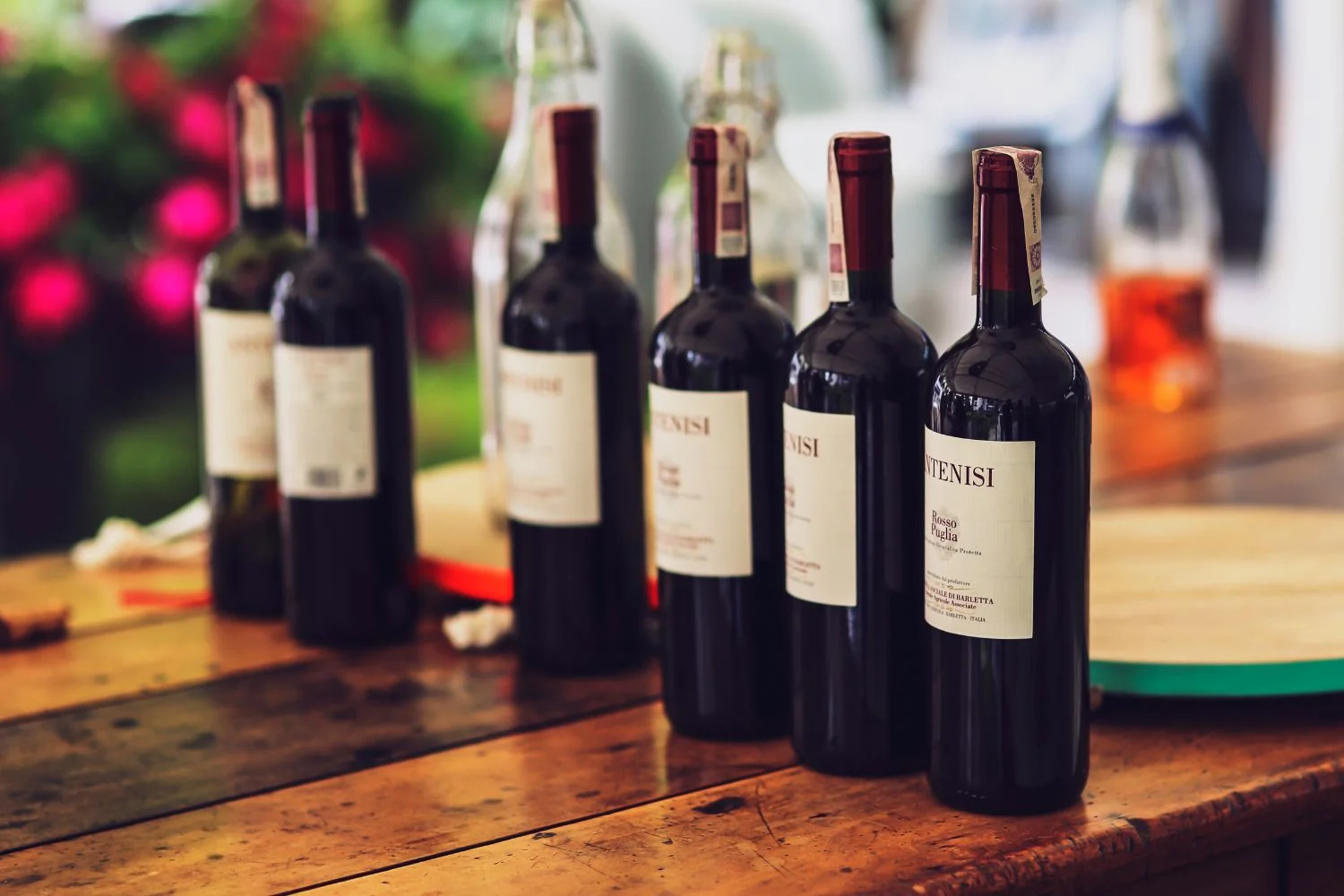
Reading a wine label helps you understand important details about the wine before buying it. Most labels include the wine name, grape variety, and region where the grapes were grown. You will also usually find the vintage year, which indicates when the grapes were harvested, and the alcohol percentage. Some labels mention the winery or producer and sometimes tasting notes or style descriptions. Understanding these elements can help you choose a wine that matches your taste and preferences. 🍷
Properly storing wine helps preserve its flavor and quality over time. Wine should be kept in a cool, dark place with a consistent temperature, ideally around 12–15°C. Bottles with corks should be stored horizontally to keep the cork moist and prevent air from entering. It is also important to avoid direct sunlight, heat, and strong vibrations, as these can damage the wine. With the right storage conditions, wine can maintain its taste and age properly. 🍷
From Grape to Glass
Take a Stroll Through the Basics
Sommelier's Companion
Explore the Fundamentals
Eight short guides to take you from curious to confident — one sip at a time.
The Anatomy of a Wine Label
Decoding the Bottle
Before you even pull the cork, the label tells a story. We break down the difference between varietal-based labeling (common in the New World, like California Chardonnay) and region-based labeling (common in the Old World, like French Chablis). Learning to identify the region, vintage, and ABV (alcohol by volume) is the first step in predicting the style and weight of the wine inside.
The 5 S’s of Professional Tasting
How to Taste Like a Pro
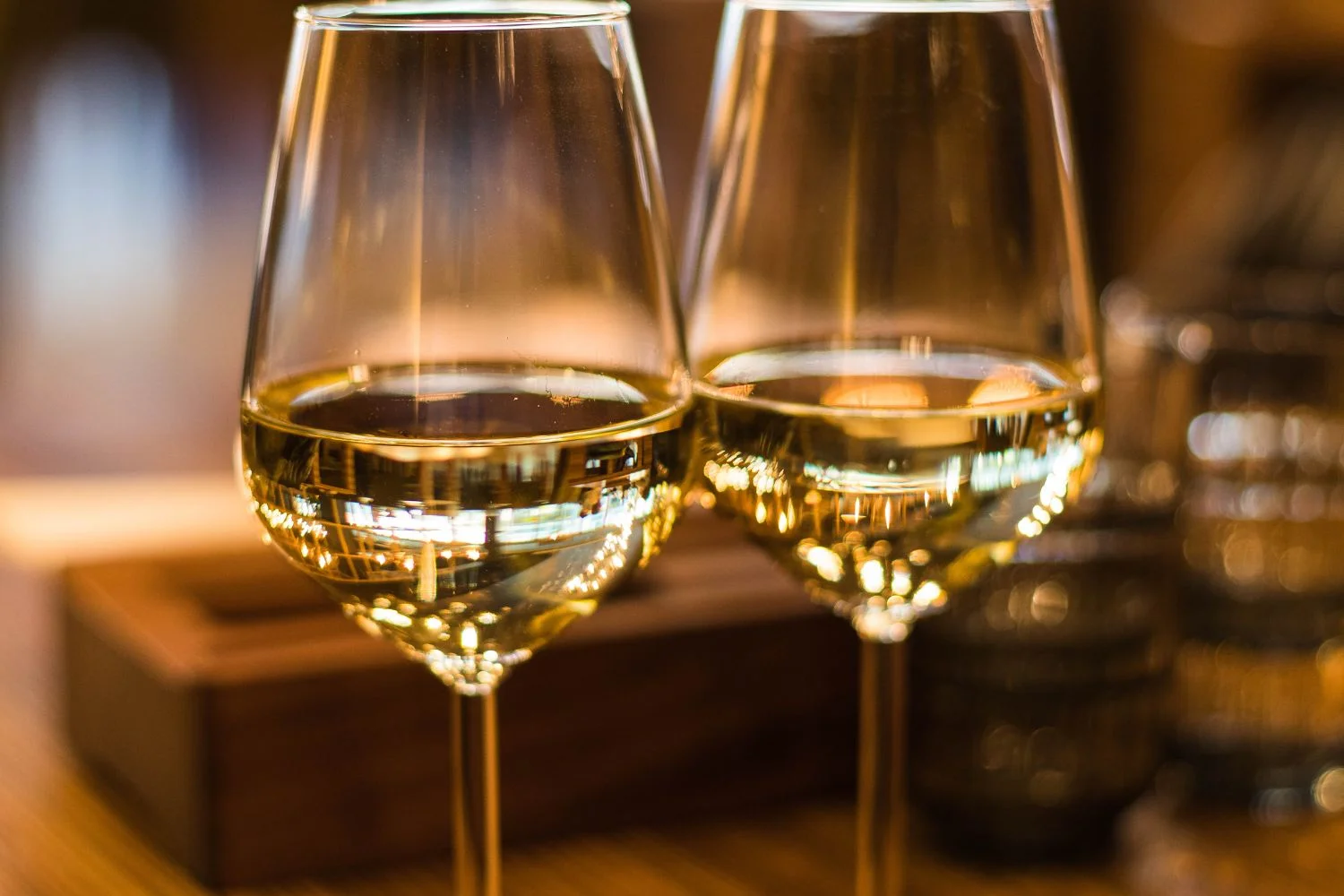
Tasting is a sensory skill that anyone can learn. Follow this foundational framework to evaluate any glass:
- See: Observe the color and clarity to judge age and concentration.
- Swirl: Aerate the wine to release hidden aromas.
- Sniff: Identify primary fruit, secondary fermentation notes, and tertiary aging scents.
- Sip: Evaluate the structure—acid, tannin, and alcohol.
- Savor: Note the “finish” or how long the flavor lingers on your palate.
Proper Glassware & Temperature
Serving for Maximum Flavor
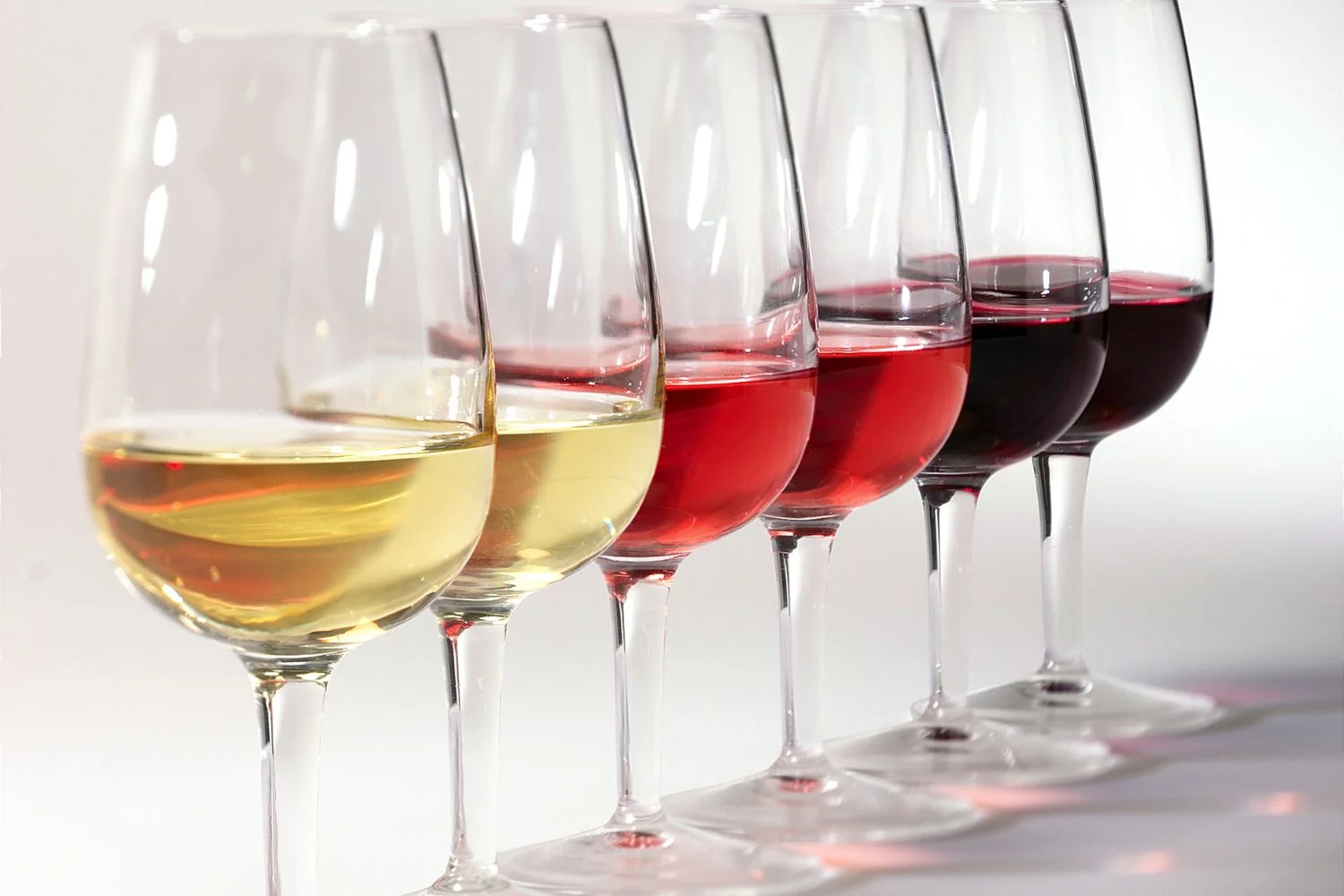
The vessel and the temperature can drastically change your experience. While specialized glasses are great, a standard universal wine glass works for most varieties. More importantly, we debunk the “room temperature” myth: most reds benefit from a slight chill (60°F–65°F) to keep the alcohol from masking the fruit, while whites should be crisp but not ice-cold (45°F–50°F).
Understanding Wine Structure
Acid, Tannin, and Body
Every wine is built on a structural “skeleton.”
- Acidity provides the mouth-watering “zing” found in white wines like Sauvignon Blanc.
- Tannins are the drying compounds found in red skins that give a wine its grip.
- Body refers to the weight or viscosity—think of the difference between skim milk (light body) and whole milk (full body).
Ready to Find Your Perfect Wine Match?
Answer a few simple questions about your taste, food preferences, and wine style. We’ll help point you toward wines you’re more likely to enjoy.