While both come from grapes, the real difference between red and white wine lies in the winemaking process—specifically the “skin contact.” Discover how these two styles differ in flavor, structure, and serving style.
Red Varieties
0+
White varieties
0+
Average ABV
11%
RED WINES
WHITE WINES
CABERNET SAUVIGNON
PINOT NOIR
MERLOT
CHARDONNAY
SAUVIGNON BLANC
PINOT GRIGIO
ROSÉ TO RED TO WHITE
DISCOVER YOUR FAVORITE POUR
Red, White, Bold, or Light — Know the Difference
Red Wine
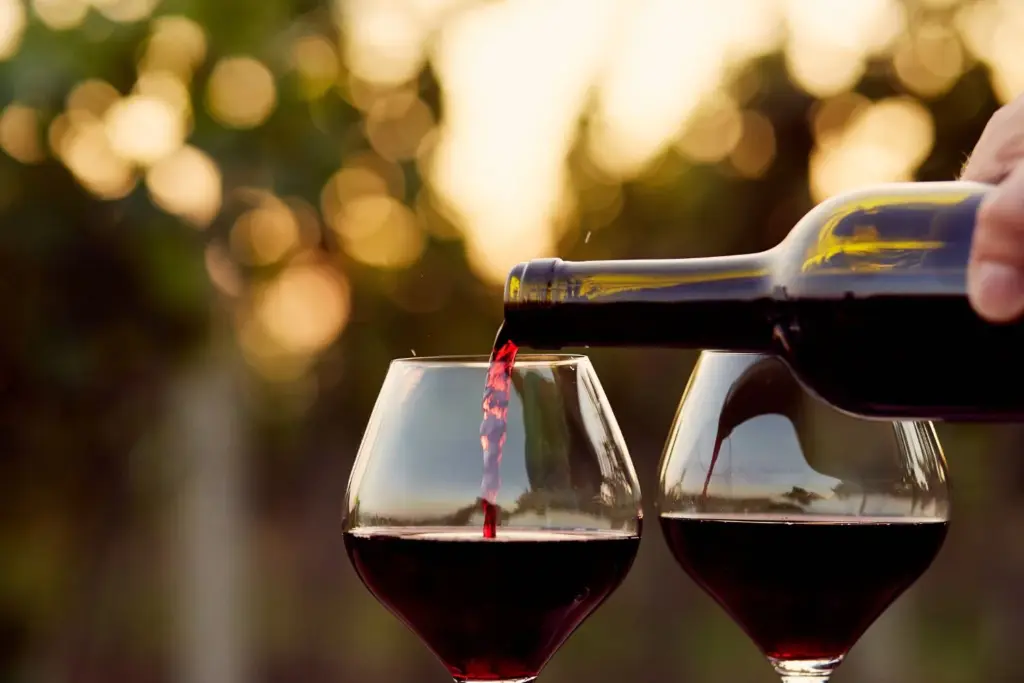
Fermented with grape skins and seeds. This provides the deep color and "tannins"—the drying sensation on your tongue. Common notes: cherry, plum, and spice.
White Wine
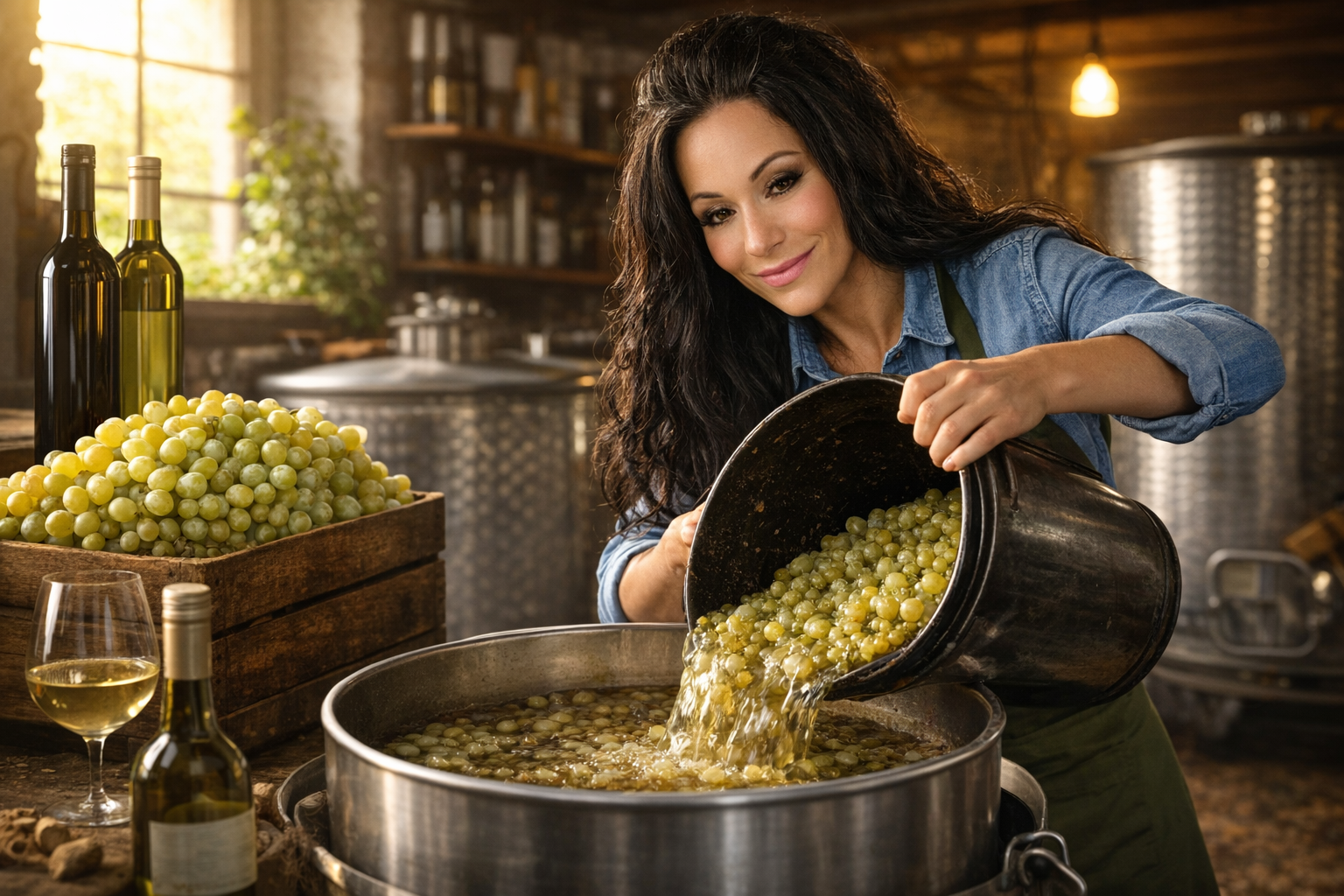
Grapes are pressed and the skins are removed before fermentation. The result is a lighter, crisper drink focused on acidity and citrus or floral aromas.
Bold & Robust
High-tannin reds like Cabernet Sauvignon and Malbec. These often age in oak barrels to add flavors of vanilla and cedar.
Light & Zesty
High-acid whites like Sauvignon Blanc and Pinot Grigio. These are usually fermented in stainless steel to preserve fresh, fruity flavors.
The Winemaking Difference
The primary distinction is the fermentation process. For red wine, the juice stays in contact with the skins (maceration) to extract color and tannins. For white wine, the skins are separated immediately. This is why you can actually make white wine from red grapes. If you remove the skins fast enough, the juice remains clear!
Beyond the flavor, the biggest difference you will “feel” is the structure of the wine. Red wines are defined by tannins—natural compounds from grape skins that create a drying, textured sensation on your palate, similar to over-steeped tea. This gives red wine its “grip” and allows it to pair beautifully with rich proteins. White wines, on the other hand, rely on acidity for their structure. Instead of a drying sensation, white wines provide a mouth-watering “zing” or crispness. This acidity acts as a palate cleanser, which is why white wines feel so refreshing and pair so well with salty or fried foods.
Rich, structured wines with higher tannins and deeper flavors. Expect notes of blackberry, dark cherry, spice, and oak. Best with steak, burgers, and hearty dishes.
Smooth & Easy Reds
Merlot, Pinot Noir, Zinfandel
Softer tannins and a smoother finish make these highly drinkable. Flavors lean toward cherry, plum, and subtle spice. Great for casual sipping or pairing with pasta and poultry.
Crisp & Refreshing Whites
Sauvignon Blanc, Pinot Grigio
Light-bodied with bright acidity and citrus-driven flavors. Think lemon, green apple, and fresh herbs. Perfect for seafood, salads, and warm weather.
Rich & Creamy Whites
Chardonnay (oaked), Viognier
Fuller-bodied whites with smooth texture and layered flavors. Notes of apple, vanilla, butter, and oak. Pairs well with chicken, seafood, and creamy dishes.
Find Your Favorite Style.
Whether you prefer the velvety structure of a red or the refreshing zing of a white, we make the science of wine simple.