Natural Wine
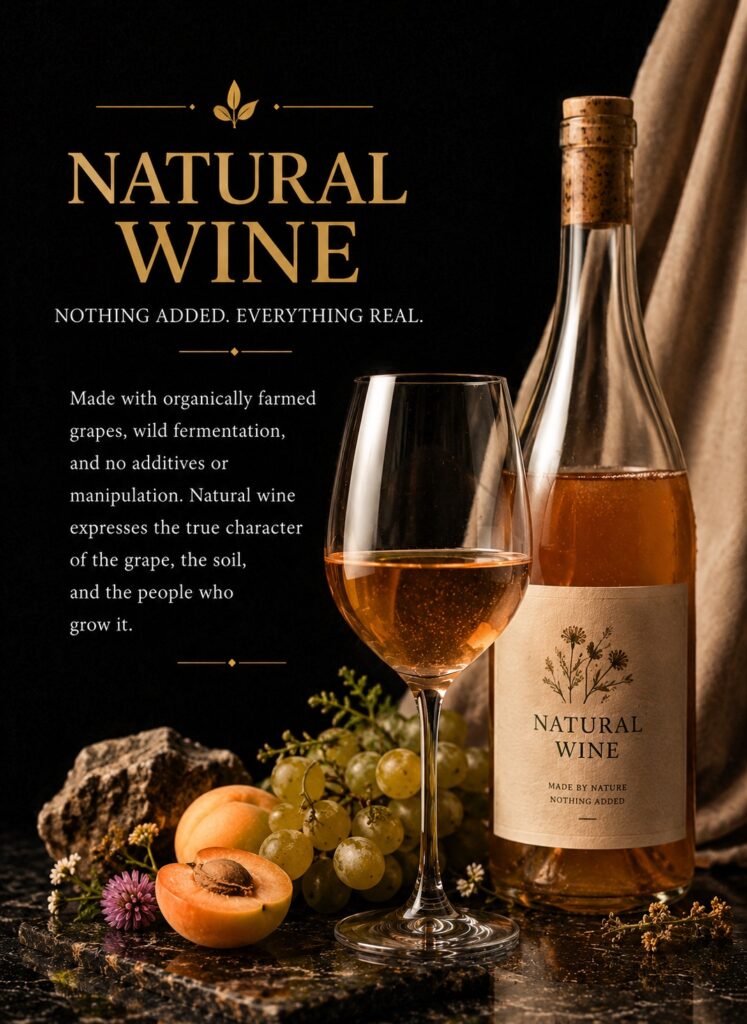
Natural wine is made with minimal intervention from vineyard to bottle. Producers use organically or biodynamically grown grapes, wild yeasts, and almost no additives during fermentation or aging. The result is a wine that feels alive in the glass, with bold flavors that change as you drink.
Once a niche category, natural wine has earned a passionate following across the United States. It rewards curious drinkers who want something different from polished, conventional bottles. Whether you are sampling your first pet-nat or chasing a cult-favorite producer, natural wine offers an honest and exciting experience.
NATURAL WINE

LOW INTERVENTION
NATIVE YEAST
UNFILTERED STYLE
MINIMAL ADDITIVES
WILD FERMENTATION
SMALL PRODUCERS
VINEYARD DRIVEN
PURE EXPRESSION
EARTHY FLAVORS
FUNKY & FRESH
HONEST WINEMAKING
RAW & ALIVE
Natural wines are unfiltered, unfined, and full of character. They often appear cloudy or sediment-rich in the glass, which signals a wine that has been left in its purest form.
MINIMAL INTERVENTION
Producers add nothing to the fermentation beyond the grape itself. No commercial yeasts, no enzymes, and little to no sulfites. The grape and the place do all the talking.
BOLD & UNFILTERED
Expect surprising aromas, lively acidity, and flavors that shift in the glass. Natural wine is best enjoyed with food, friends, and an open mind.
What is Natural Wine
Natural wine is more philosophy than legal definition. The category covers wines made with minimal intervention, starting in the vineyard and continuing through every step of production. Grapes are grown organically or biodynamically, picked by hand, and fermented with their own native yeasts. Nothing is added to shape the wine artificially.
Unlike organic wine, natural wine has no official certification in the United States. Producers self-define their practices, which has created both passionate communities and ongoing debate. Most natural winemakers agree on the core ideas. Use clean fruit. Add nothing. Take nothing away. Cross-reference our organic wine guide to see how the two categories overlap and differ.
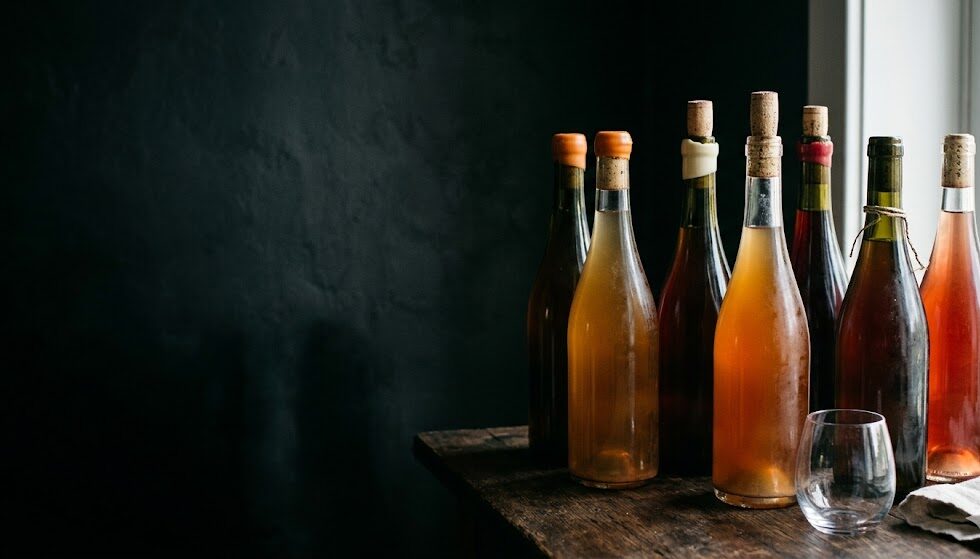
The look of natural wine often surprises new drinkers. Many bottles appear cloudy or carry visible sediment because they skip filtration and fining. The taste can also be unpredictable. Expect bright acidity, earthy or yeasty notes, and the occasional touch of funk. These traits are features, not flaws. To understand the full winemaking process, see how wine is made.
Natural wine pairs beautifully with food and rewards patience in the glass. The wine evolves as it opens, often becoming more expressive after thirty minutes. While the style is not for everyone, fans appreciate the honesty and energy that natural wine delivers. New drinkers can ease in through our wine for beginners guide.
Top 10 Most Popular Natural Wines in the US
Frank Cornelissen (Sicily)
Gut Oggau (Austria)
Donkey & Goat (California)
Broc Cellars (California)
Martha Stoumen Wines (California)
COS (Sicily)
Lo-Fi Wines (California)
La Garagista (Vermont)
Radikon (Italy)
Domaine Léon Barral (France)
The Four Types of Natural Wine
PET-NAT
Pétillant naturel, or pet-nat, is a natural sparkling wine bottled before fermentation completes. The trapped carbon dioxide creates lively bubbles without added sugar or yeast. Pet-nat is often closed with a crown cap and pours with a soft, frothy texture.
Examples: Donkey & Goat Lily’s Pet-Nat, Broc Cellars Love Red Pet-Nat, La Garagista Ci Confonde
ORANGE & SKIN-CONTACT
Orange wine is made by fermenting white grapes with their skins, which gives the wine a deep amber color and bold tannins. The result feels closer to a red in structure while keeping white wine aromatics.
Examples:
Radikon Ribolla Gialla, COS Pithos Bianco, Gravner Ribolla
LOW-INTERVENTION RED
Reds made with native yeasts, no additives, and minimal handling. These wines emphasize the grape and the vineyard, often showing bright fruit and savory depth without heavy oak influence.
Examples:
Frank Cornelissen Munjebel, Domaine Léon Barral Faugères, Martha Stoumen Carignan
ZERO & LOW SULFITE
The purest expression of natural wine. These bottles contain no added sulfites or only trace amounts. They demand careful storage but reward drinkers with vivid, electric flavors.
Examples:
Gut Oggau Mechthild, Lo-Fi Pinot Noir, COS Frappato
Natural Wine FAQs
Q: What is natural wine? Natural wine is made with minimal intervention from grape to glass. Producers use organically or biodynamically grown fruit, native yeasts, and almost no additives. The category is defined by philosophy rather than formal certification.
Q: What is the difference between natural wine and organic wine? Organic wine refers to certified farming standards in the vineyard. Natural wine extends those clean practices into the cellar, where almost nothing is added or removed. All natural wines use clean grapes, but not all organic wines are made with the same low-intervention approach.
Q: Does natural wine have sulfites? Most natural wines contain very low levels of added sulfites or none at all. The maximum threshold for the category is typically around 30 to 40 parts per million, far below conventional wine. Sulfites also occur naturally during fermentation, so no wine is truly sulfite-free.
Q: Why does natural wine look cloudy? Cloudiness comes from skipping filtration and fining. Natural winemakers leave yeast cells, fruit solids, and proteins in the bottle because removing them can strip flavor. The haze is a sign of the wine’s raw and unaltered state.
Q: What does natural wine taste like? Natural wine often shows bright acidity, earthy notes, and surprising aromas. Some bottles taste fresh and fruity, while others lean funky or yeasty. Each producer and vintage delivers a different experience, which is part of the appeal.
Q: What is pet-nat? Pet-nat, short for pétillant naturel, is a natural sparkling wine bottled before fermentation finishes, which traps natural carbon dioxide. The pressure tends to be softer than Champagne, and the bottles often use a crown cap. For more on bubbles, see our sparkling wine guide.
Q: What is orange wine? Orange wine is made by fermenting white grapes with their skins for days or weeks. The skin contact adds color, tannin, and depth. The result is a white wine that drinks more like a red and pairs beautifully with rich foods.
Q: How do I find natural wine at the store? Look for small producers, low or no added sulfites on the label, and importers known for natural selections like Louis/Dressner or Zev Rovine. Independent wine shops are your best resource, since larger retailers rarely stock the category. Learn more in our how to read a wine label guide.
Ready to Find Your Perfect Wine Match?
Answer a few simple questions about your taste, food preferences, and wine style. We’ll help point you toward wines you’re more likely to enjoy.