Starting your wine journey should feel exciting, not overwhelming. The truth is, some wines are just friendlier than others. The best wines for beginners share a few things in common: approachable flavors, soft textures, and prices that make it easy to explore without stress. Whether you lean toward something sweet, crisp, or smooth and fruity, this guide walks you through the easiest bottles to reach for first. No confusing terminology. No snobbery. Just honest recommendations to help you find what you love.
What Makes a Wine Beginner-Friendly
Not every wine is built the same way. Some are bold, tannic, and loaded with complexity that takes time to appreciate. Those are great wines, but they are not the right starting point.
The best wines for beginners tend to share a few key traits. They are fruit-forward, meaning the first flavors you notice are bright and recognizable, like berries, citrus, or stone fruit. They have balanced acidity that keeps the wine refreshing without being sharp. And they have soft tannins, which means that dry, gripping sensation you sometimes get with heavier reds is barely noticeable.
Tannins, Acidity, and Body Explained Simply
Tannins are natural compounds found in grape skins and seeds. High-tannin wines can feel drying in your mouth, almost like oversteeped tea. For beginners, lower-tannin wines are much easier to enjoy straight away.
Acidity is what gives wine its freshness. Too little and the wine tastes flat. Too much and it feels harsh. A balanced level keeps things lively.
Body refers to how heavy or light the wine feels in your mouth. A light-bodied wine feels similar to water. A full-bodied wine feels closer to whole milk. Most beginners find light to medium-bodied wines the easiest place to start.
Best White Wines for Beginners
White wines are often the most approachable starting point, especially if you enjoy crisp and refreshing flavors.
Pinot Grigio
Pinot Grigio is a dry white wine that is light-bodied, easy to drink, and widely available across the United States. It delivers notes of lemon, lime, and occasionally peach without much complexity to navigate. It is simple in the best possible way and rarely costs more than $15.
Sauvignon Blanc
Sauvignon Blanc is crisp, zesty, and aromatic. It is one of the most popular white wines for beginners because its fresh, fruit-driven style is immediately appealing. Expect flavors like green apple, grapefruit, and fresh herbs. New Zealand and California both produce excellent, beginner-friendly versions.
Chardonnay
Chardonnay is one of the most widely planted grapes in the world, and for good reason. Unoaked or lightly oaked Chardonnays are often the easiest to enjoy. These wines highlight fresh fruit flavors like apple, pear, and melon without being too heavy. If you want to explore further, an oaked Chardonnay introduces richer, rounder notes of toast and vanilla.
Best Red Wines for Beginners
Red wines sometimes get a reputation for being too bold or bitter. The good news is that several varieties are genuinely smooth and approachable right from the first sip.
Pinot Noir
Pinot Noir is one of the best red wines for beginners. It is smooth, fruity, and not overly heavy, with flavors of cherry, strawberry, and a hint of vanilla. Because it has lower tannins and a lighter body, it does not overwhelm the palate the way bigger reds can. California producers in particular make excellent beginner-friendly versions at a great price point.
Merlot
Merlot is another classic starting point. It delivers plum, cherry, and chocolate flavors with soft tannins and a smooth finish. Merlot pairs well with a wide range of foods, from grilled chicken to pasta, which makes it easy to work into everyday meals.
Gamay (Beaujolais)
Gamay, the grape behind Beaujolais, is a lighter red with bright red fruit flavors and enough acidity to keep things lively. It can even be served slightly chilled, which makes it a fantastic bridge wine for people who usually prefer whites.
Best Rosé and Sweet Wines for Beginners
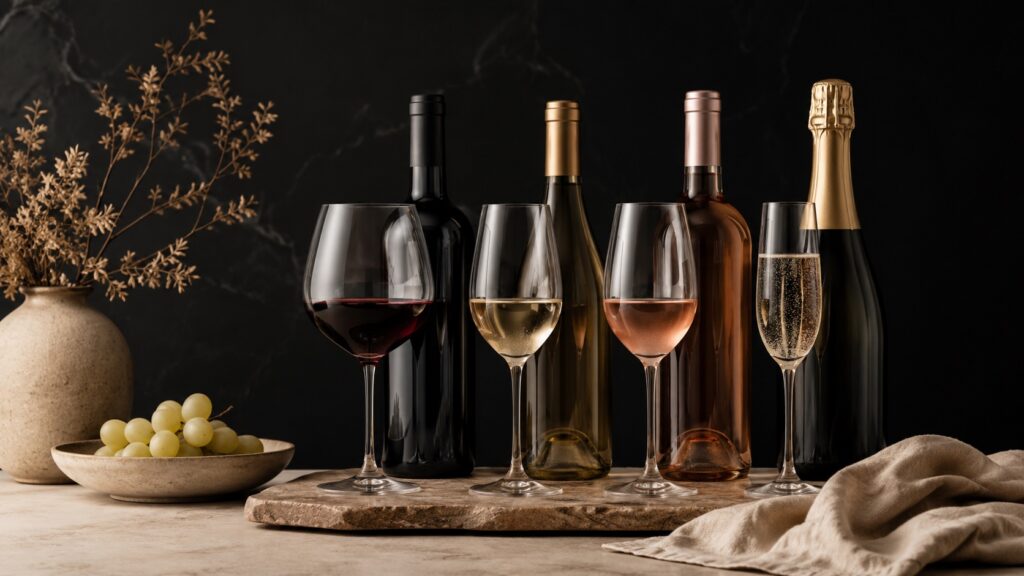
Rosé wines are often overlooked, but they can be some of the most enjoyable wines to drink casually. A good Provence-style rosé is dry and elegant, with flavors of strawberry, watermelon, and a touch of herbs. It is a great choice for warm afternoons, weekend gatherings, or casual dinners across any US region.
For those who genuinely enjoy sweet flavors, Moscato is one of the sweetest wines and often the easiest for new drinkers to enjoy. It is light in alcohol, fizzy, and loaded with peach and apricot notes.
Riesling is also worth trying. It can range from sweet to dry, but many beginner-friendly bottles lean slightly sweet. Riesling pairs very well with spicy food, which makes it a practical choice for takeout nights. Look for bottles from Washington State or Germany for reliable quality at an accessible price.
Simple Tips for Buying Your First Bottles
You do not need to spend a fortune to drink well. Most of the best wines for beginners land between $10 and $20 per bottle. In that range, you will find a wide variety of excellent options at most grocery stores, wine shops, and even warehouse retailers across the country.
A few practical tips to keep in mind as you start exploring:
Start lighter and work your way up. Light-bodied wines tend to have lower tannins and more subtle flavors, making them easier to enjoy from the very first glass.
Experiment across categories. Do not stick exclusively to red or white. Try rosé, try a sparkling wine, try a sweet Riesling. Variety helps you identify what genuinely suits your palate.
Serve at the right temperature. Red wines are best slightly cooler than room temperature, around 60 to 65 degrees Fahrenheit. Whites and rosés should be chilled in the refrigerator before serving.
Take notes as you taste. Even a few words jotted on your phone about what you liked or disliked will help you build your preferences over time.
How to Build Confidence With Wine Over Time
The most important rule in wine is simple: drink what you enjoy. There are no wrong answers. Your palate is yours, and it will evolve naturally the more you explore.
Beginners often feel pressure to know the right vocabulary or follow expert recommendations. That pressure is unnecessary. The best wine education happens one glass at a time. Try a new variety each week. Visit a local wine shop and ask for a recommendation in your price range. Explore a wine subscription service that curates bottles based on your taste preferences.
Communities of wine beginners are everywhere across the United States, from casual tasting groups to beginner-friendly wine bars. You do not have to learn alone. The more curious you stay, the faster your confidence will grow.