Chardonnay: The Most Versatile White
Chardonnay is one of the most popular white wines in the world. From crisp and refreshing to rich and full-bodied, it adapts to different climates and winemaking styles. This guide breaks down what makes Chardonnay unique and why it continues to dominate wine lists everywhere.
The Flavor Profile
Crisp to Rich & Layered
Chardonnay can range from light and citrus-driven to rich and creamy depending on how it is made. Cooler climates produce wines with green apple, lemon, and mineral notes. Warmer regions create fuller styles with ripe fruit like peach and pineapple. Oak aging adds vanilla, butter, and spice, giving the wine more depth and texture.

The Structure
Balanced & Smooth Texture
Chardonnay is known for its balance. It typically has medium acidity, which gives it freshness without being too sharp. The texture can range from light and clean to round and creamy depending on the style. This flexibility makes it one of the easiest wines to enjoy for both new and experienced drinkers.

The Oak Influence
Vanilla, Butter & Spice
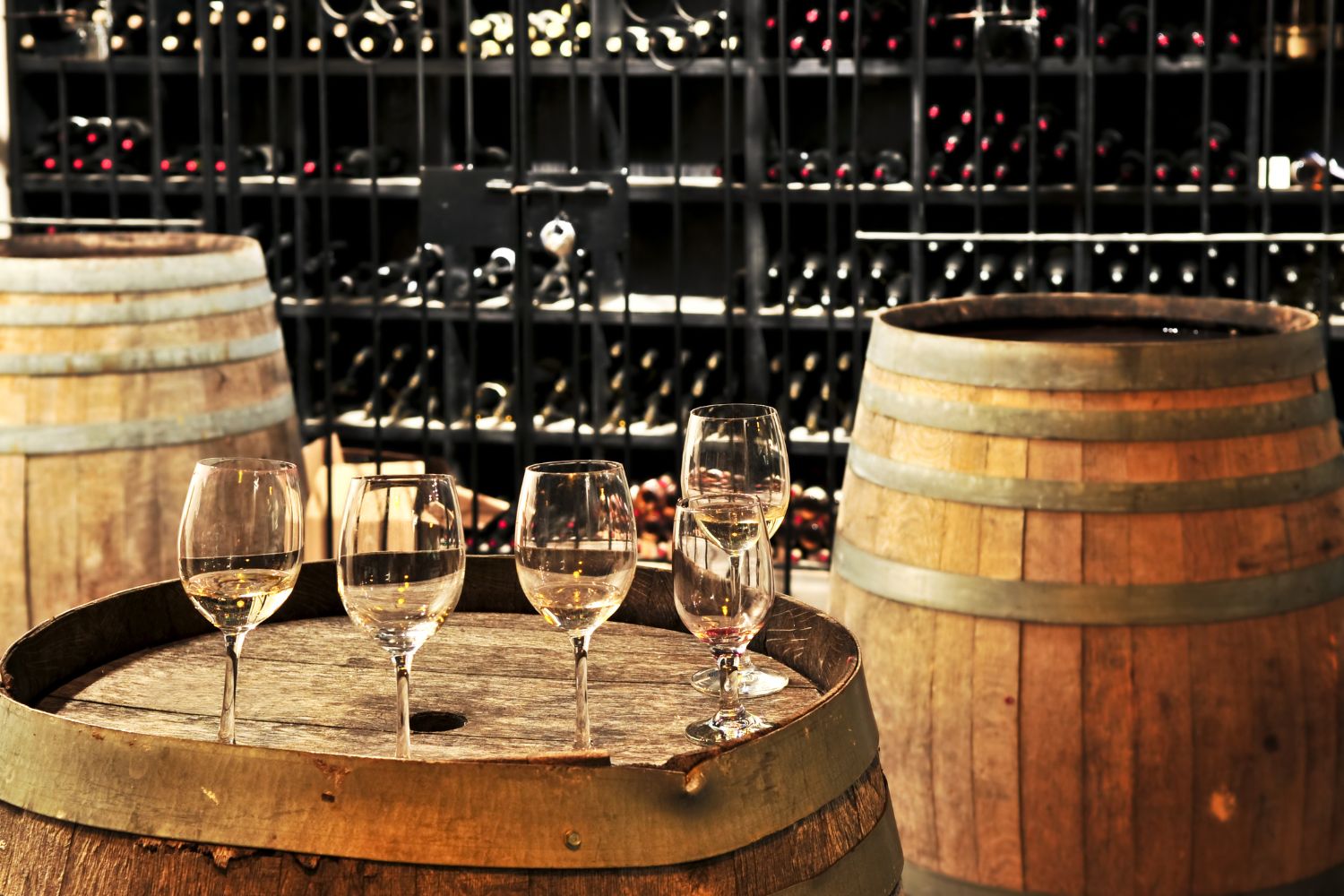
Many Chardonnay wines are aged in oak barrels, which adds layers of flavor and texture. This process introduces notes of vanilla, toasted oak, butter, and subtle spice. Some winemakers choose stainless steel instead, which keeps the wine bright and crisp. Both styles are widely available, giving Chardonnay a broad range of profiles.
Mastering Chardonnay Styles
Chardonnay is one of the most adaptable grapes in the world. It can reflect both the region where it is grown and the choices made during winemaking. In cooler areas like Chablis, the wines are crisp, mineral-driven, and clean. In warmer regions like California, they become richer, rounder, and more fruit-forward. Oak aging adds another layer, creating the classic buttery style many people associate with Chardonnay.
Understanding these differences makes it easier to choose the right bottle. Whether you prefer something light and refreshing or full and creamy, Chardonnay offers a style that fits almost every palate. It is this range and flexibility that has made it one of the most widely enjoyed wines across the world.

Key Chardonnay Characteristics
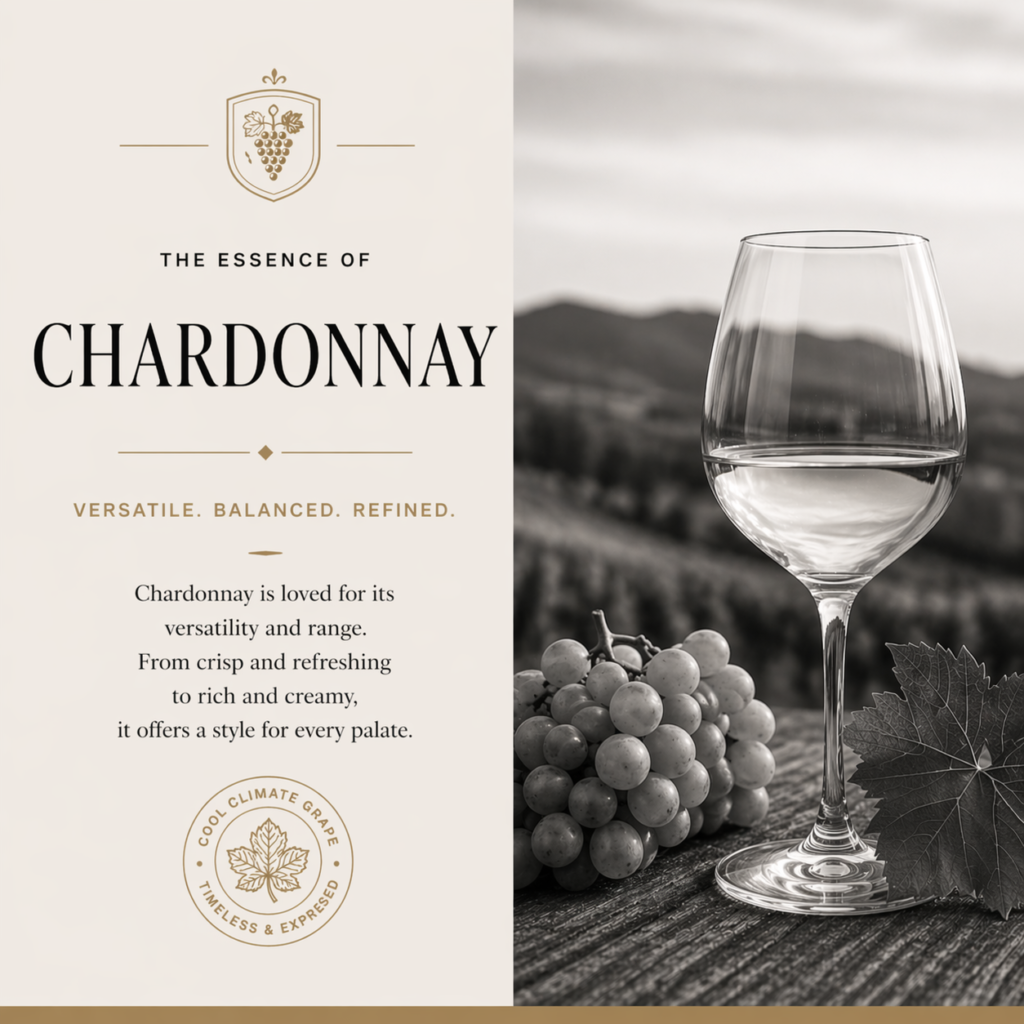
Chardonnay is the world’s most versatile white wine, celebrated for its ability to adapt to its environment and the winemaker’s touch. It offers a broad spectrum of styles, ranging from lean and mineral to rich and opulent.
- Medium to Full Body: A weightier, more substantial presence on the palate than most whites.
- Balanced Acidity: Provides a clean, crisp structure that keeps the wine refreshing.
- Fruit-Forward Flavors: Ranging from green apple and citrus to tropical pineapple and mango.
- Creamy Texture: Often develops a “buttery” or smooth mouthfeel through specific winemaking techniques.
- Oak Influence: Can introduce sophisticated notes of vanilla, toasted bread, and baking spice.
Chardonnay is a truly expressive variety that serves as a canvas for both the land and the cellar. It offers a sophisticated alternative to lighter whites, delivering a depth and complexity that can rival many reds. In cooler regions, Chardonnay maintains a “zippy,” high-acid profile with flinty minerality, while warmer climates—like parts of the Napa Valley—allow it to develop a riper, “jammy” fruit character and a velvety texture. Whether you prefer a crisp, un-oaked style or a rich, barrel-aged classic, Chardonnay is the essential starting point for understanding white wine structure.
- Rich & Opulent Style
- Global Vineyard Favorite Diverse Fruit Profiles
- Smooth, Buttery Texture
- Highly Adaptable with Food
- Elegant Oak Potential
- Classic Yet Modern