The Complete Wine Types Guide for Beginners and Beyond
Wine can feel overwhelming at first. Walk into any store and you are faced with hundreds of bottles, dozens of grapes, and no clear place to start. This wine types guide is here to change that. Whether you are brand new to wine or just looking to expand what you already know, this page breaks down every major style in plain language. No jargon. No pretension. Just clear, honest answers about what is in your glass.
The 5 Main Types of Wine
Most wines fall into one of five categories. Understanding these categories is the fastest shortcut to knowing what you like. The five types are red wine, white wine, rosé wine, sparkling wine, and dessert wine. Each one is made differently, tastes different, and pairs with different foods. We will cover all of them below.
Red Wine | Bold, Smooth, and Full of Flavor
Best Red Wines for Beginners
When to Drink Red Wine
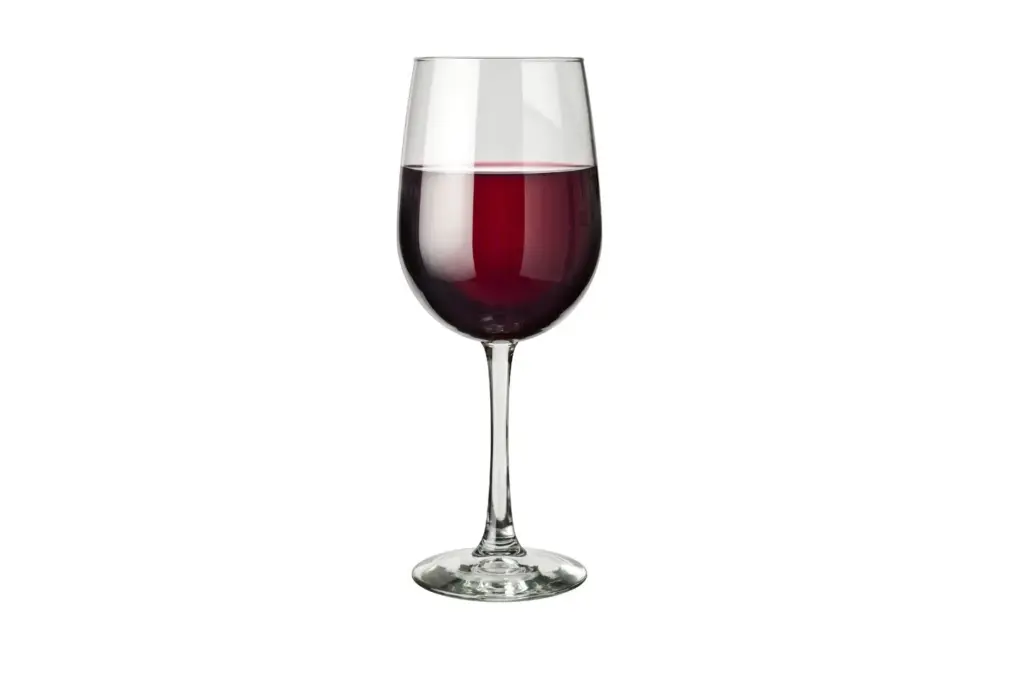
Red wine gets its color from the grape skins, which stay in contact with the juice during fermentation. That process also adds tannins, which create the dry, slightly grippy feeling you notice on your tongue. Red wines range from light and fruity to dark and full-bodied.
Red wine pairs best with red meats, pasta with tomato or meat sauce, aged cheeses, and hearty vegetables like mushrooms. Most reds are best served slightly below room temperature, around 60 to 65 degrees Fahrenheit.
White Wine — Crisp, Fresh, and Versatile
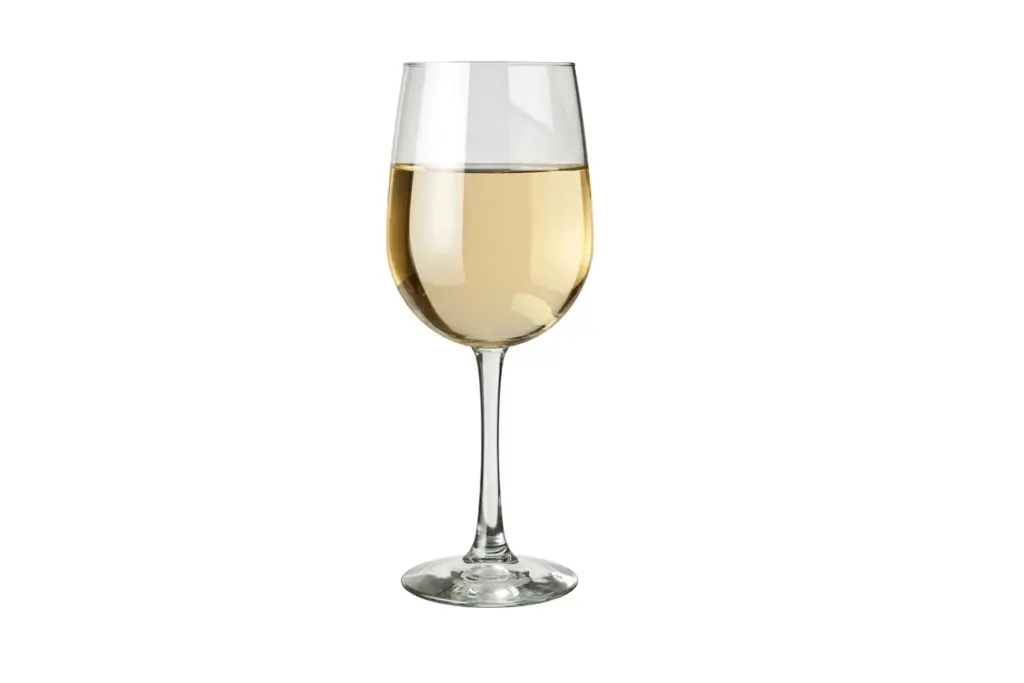
White wine is made from green or yellow grapes, and the skins are removed before fermentation. That is what keeps the color light. White wines tend to be higher in acidity and lower in tannin than reds, which makes them feel crisper and more refreshing.
Best White Wines for Beginners
When to Drink White Wine
Pinot Grigio is a great starting point. It is light, dry, and easy to drink on its own. Sauvignon Blanc is another popular choice, known for its citrusy, grassy flavors. If you prefer something rounder and richer, Chardonnay — especially unoaked — is a reliable go-to.
White wine is a natural match for seafood, chicken, light pasta dishes, and soft cheeses. Serve it chilled, between 45 and 55 degrees Fahrenheit, for the best experience.
Rosé Wine — Not Just a Summer Drink
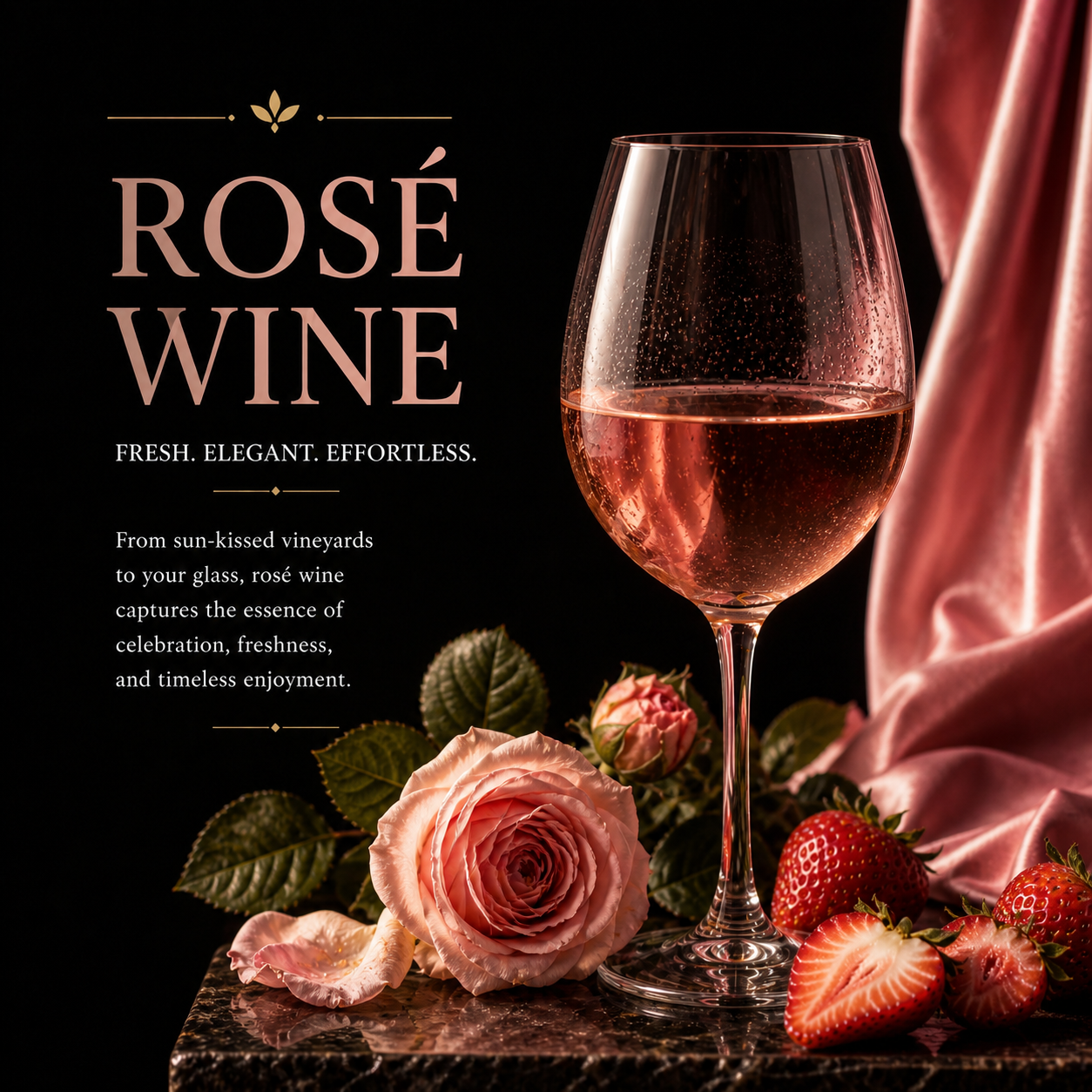
Rosé gets its pink color when red grape skins are left in contact with the juice for just a short time, usually a few hours. The result is a wine that sits between red and white in flavor and body. Most rosés are dry, not sweet, despite what many people assume.
A Guide to Rose Wine
What Does Rosé Taste Like?
Rosé typically has flavors of strawberry, watermelon, peach, and citrus with a crisp, clean finish. Provence rosé from France is the most well-known style — pale pink, bone dry, and very food-friendly.
Food Pairings for Rosé
Rosé works with a wide range of foods. Try it with salmon, grilled shrimp, light salads, soft cheeses, or charcuterie. It is one of the most versatile wines at the table.
Sparkling Wine | More Than Just Champagne
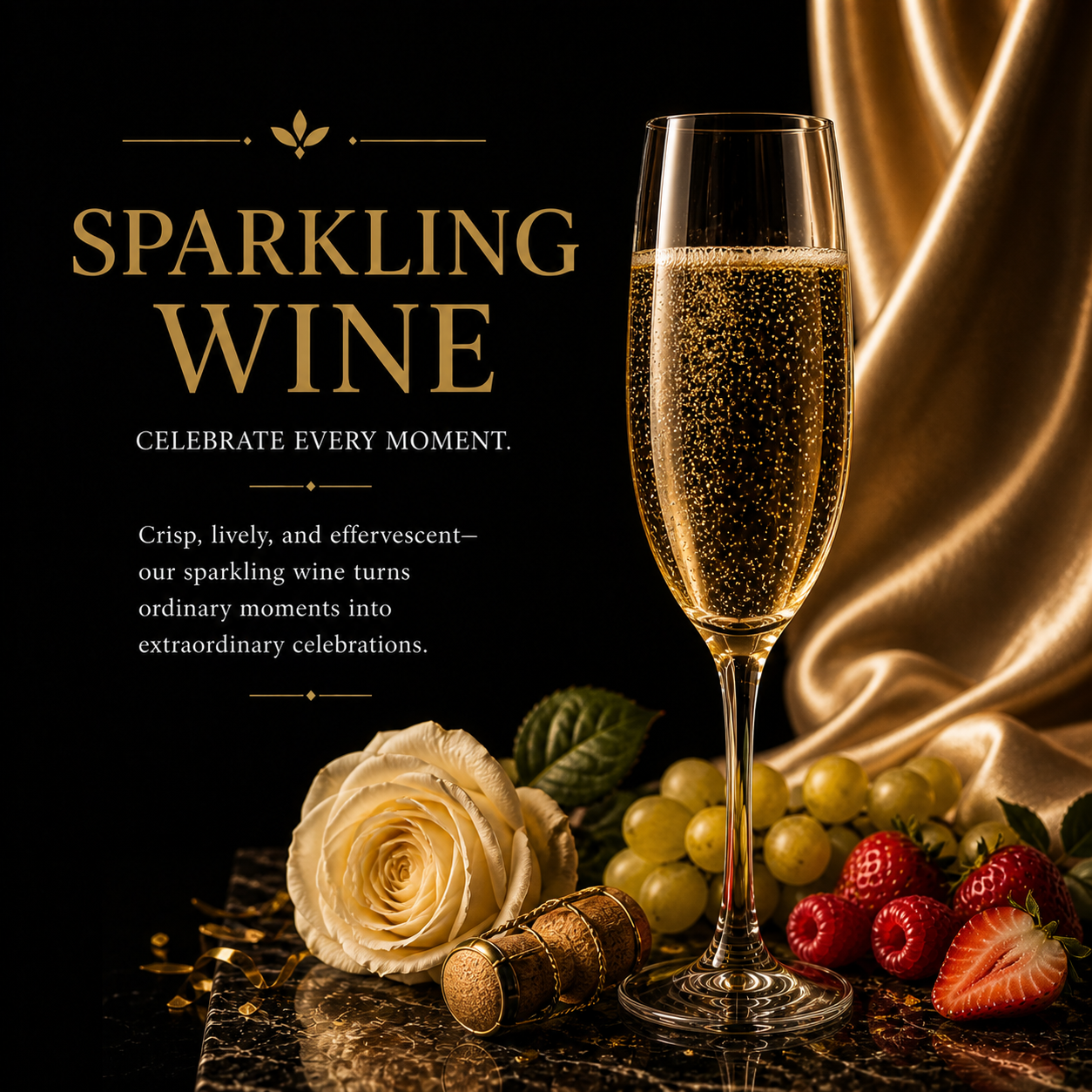
Sparkling wine gets its bubbles from a second fermentation that traps carbon dioxide in the bottle. Champagne is the most famous sparkling wine, but there are many others worth knowing.
Types of Sparkling Wine
Champagne comes from France and is made from Chardonnay, Pinot Noir, and Pinot Meunier. Prosecco is Italy’s answer — lighter, fruitier, and more affordable. Cava is Spain’s sparkling wine, made in the same traditional method as Champagne but at a fraction of the price. Each style has its own personality and best uses.
When to Drink Sparkling Wine
Sparkling wine is not just for celebrations. It pairs beautifully with fried foods, oysters, sushi, and light appetizers. The bubbles and acidity cut through rich flavors in a way that still wine cannot.
Dessert Wine - Sweet, Rich, and Worth Exploring
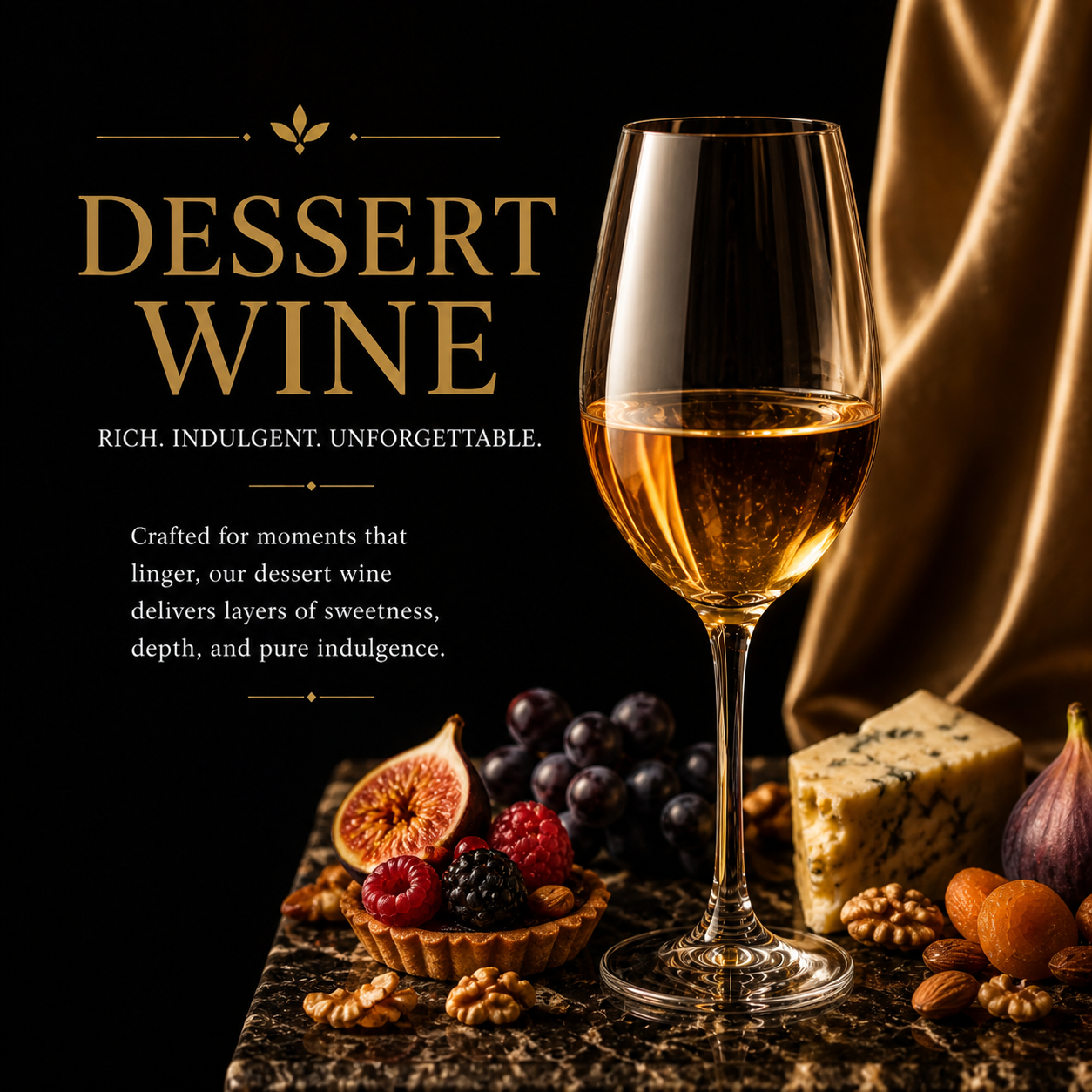
Dessert wines are sweeter than most wines because the fermentation process is stopped early, leaving natural grape sugars in the wine. They are typically served in smaller pours because of their intensity.
Popular Types of Dessert Wine
Port from Portugal is one of the most recognized dessert wines. It is rich, dark, and often flavored with chocolate and dried fruit. Moscato is a lighter, more accessible sweet wine with peach and apricot notes. Ice wine, made from frozen grapes, is sweet and concentrated with high acidity to balance the sugar.
What to Eat with Dessert Wine
Pair dessert wines with blue cheese, dark chocolate, fruit tarts, or foie gras. A classic rule: the wine should always be sweeter than the dessert.
How to Choose the Right Wine for You
The best wine is the one you enjoy. Start by identifying whether you prefer dry or sweet, light or bold, fruity or earthy. From there, use this guide to explore one category at a time. There are no wrong answers. Wine is personal, and your palate will develop the more you taste.
How to Choose Your Wine
Pick Your Color
Check the Sweetness
Consider the Occasion
Alchohol or Non?
US Top Wines
- Barefoot — Red, white, rosé, sparkling, sweet
- Sutter Home — White Zinfandel, Chardonnay, Merlot, Cabernet
- Franzia — Boxed red, white, blush, sweet
- Woodbridge — Cabernet, Merlot, Chardonnay, Pinot Grigio
- Yellow Tail — Red, white, rosé, sparkling
- Josh Cellars — Cabernet, Pinot Noir, Chardonnay, Prosecco
- Kendall-Jackson — Chardonnay, Pinot Noir, Cabernet
- La Marca — Prosecco sparkling
- Stella Rosa — Semi-sweet, semi-sparkling
- Black Box — Boxed Cabernet, Chardonnay, Pinot Grigio
- Bota Box — Premium boxed red, white, rosé
- Ménage à Trois — Red blends, white, rosé
- Cupcake — Chardonnay, Prosecco, Cabernet
- Apothic — Rich red blends
- Robert Mondavi — Cabernet, Chardonnay, Sauvignon Blanc
- Beringer — Red, white, rosé, dessert
- 19 Crimes — Red blends, Chardonnay
- Decoy — Cabernet, Pinot Noir, Sauvignon Blanc
- Duckhorn — Premium Merlot, Cabernet
- Meiomi — Pinot Noir, Chardonnay
- Caymus — Napa Cabernet Sauvignon
- The Prisoner — Red blends
- Liberty Creek — Everyday red, white, blush
- Bogle — Cabernet, Chardonnay, Petite Sirah
- Clos du Bois — Chardonnay, Cabernet
- Dark Horse — Red, white, rosé, sparkling
- J. Lohr — Cabernet, Chardonnay
- Kim Crawford — Sauvignon Blanc, rosé
- Oyster Bay — Sauvignon Blanc, Pinot Noir
- Chateau Ste. Michelle — Riesling, Cabernet
- Relax — Riesling, sweet white
- Risata — Moscato, sparkling
- Ruffino — Chianti, Pinot Grigio
- Mionetto — Prosecco
- Korbel — Sparkling, rosé
- Freixenet — Cava, sparkling
- André — Budget sparkling
- Cook’s — Sparkling wines
- Chandon — Premium sparkling
- Gloria Ferrer — Sonoma sparkling
- Blue Nun — Sweet and white wines
- Cavit — Pinot Grigio, Moscato
- Franciscan — Cabernet, Chardonnay
- Columbia Winery — Cabernet, Merlot
- Stags’ Leap — Premium Napa reds
- Ravenswood — Zinfandel
- Mark West — Pinot Noir
- Line 39 — Cabernet, Chardonnay
- Coppola — Red, white, sparkling
- Inniskillin — Icewine (dessert)
Frequently Asked Questions
What are the main types of wine?
There are five main types of wine: red, white, rosé, sparkling, and dessert.
What is the best type of wine for beginners?
Pinot Grigio and Pinot Noir are the most beginner-friendly wines — both are light, easy to drink, and widely available.
What is the difference between dry and sweet wine?
Dry wine has little to no residual sugar while sweet wine retains more natural sugar from the grape.
How long can a bottle of wine stay open before it goes bad?
Moscato and German Riesling tend to have the lowest alcohol content, often between 5 and 8 percent ABV.
What is the healthiest type of wine to drink?
Red wine, particularly Pinot Noir, is often cited for higher levels of resveratrol, an antioxidant found in grape skins.
What type of wine is the sweetest?
Dessert wines are the sweetest category, with Moscato, Port, and ice wine among the most well-known options.
What is the difference between red wine and white wine?
Red wine is fermented with the grape skins on while white wine is fermented without them, resulting in lighter color and lower tannins.
How many types of wine are there?
There are thousands of individual varieties worldwide, but all wines fall into five core style categories: red, white, rosé, sparkling, and dessert.
What type of wine should I bring to a dinner party?
A mid-range Pinot Noir or Sauvignon Blanc is a safe choice — both pair well with a wide range of foods and appeal to most palates.
What is the difference between sparkling wine and Champagne?
Champagne is a sparkling wine, but true Champagne can only come from the Champagne region of France — Prosecco, Cava, and Crémant are other examples of sparkling wine.
What wine has the least alcohol?
Most wines are meant to be consumed within a few years. Some high-quality wines can age longer, but most everyday wines are best enjoyed soon after purchase.

Find Your Favorite Style.
Whether you prefer the velvety structure of a red or the refreshing zing of a white, we make the science of wine simple.