Your Guide to Paso Robles Wine
Set along California’s Central Coast, Paso Robles is one of the most dynamic wine regions in the United States. Warm days, dramatic diurnal swings, diverse soils, and cooling marine influence help produce richly flavored wines with structure, freshness, and depth. The region is especially known for Cabernet Sauvignon, Rhône varieties, Zinfandel, and innovative blends.
Paso Robles: California’s Bold Blend Country
Paso Robles is one of California’s most versatile wine regions, with more than 60 grape varieties grown across the AVA. Cabernet Sauvignon is the most widely planted grape, while Syrah, Merlot, Chardonnay, and Zinfandel also play major roles in defining the region’s identity.
The region’s climate is shaped by warm inland conditions balanced by strong day-to-night temperature swings and marine air moving through the Templeton Gap. That long growing season allows Paso Robles to produce wines with ripe fruit, strong structure, and better natural balance than many warmer inland regions.
Paso Robles is also known for its flexibility. Alongside powerful single-varietal wines, the region has built a reputation for bold, creative blends, especially with Rhône and Bordeaux grapes.
Paso Robles is one of California’s most versatile wine regions, with more than 60 grape varieties grown across the AVA. Cabernet Sauvignon is the most widely planted grape, while Syrah, Merlot, Chardonnay, and Zinfandel also play major roles in defining the region’s identity.
The region’s climate is shaped by warm inland conditions balanced by strong day-to-night temperature swings and marine air moving through the Templeton Gap. That long growing season allows Paso Robles to produce wines with ripe fruit, strong structure, and better natural balance than many warmer inland regions.
Paso Robles is also known for its flexibility. Alongside powerful single-varietal wines, the region has built a reputation for bold, creative blends, especially with Rhône and Bordeaux grapes.
Paso Robles is one of California’s most versatile wine regions, with more than 60 grape varieties grown across the AVA. Cabernet Sauvignon is the most widely planted grape, while Syrah, Merlot, Chardonnay, and Zinfandel also play major roles in defining the region’s identity.
The region’s climate is shaped by warm inland conditions balanced by strong day-to-night temperature swings and marine air moving through the Templeton Gap. That long growing season allows Paso Robles to produce wines with ripe fruit, strong structure, and better natural balance than many warmer inland regions.
Paso Robles is also known for its flexibility. Alongside powerful single-varietal wines, the region has built a reputation for bold, creative blends, especially with Rhône and Bordeaux grapes.
Paso Robles is one of California’s most versatile wine regions, with more than 60 grape varieties grown across the AVA. Cabernet Sauvignon is the most widely planted grape, while Syrah, Merlot, Chardonnay, and Zinfandel also play major roles in defining the region’s identity.
The region’s climate is shaped by warm inland conditions balanced by strong day-to-night temperature swings and marine air moving through the Templeton Gap. That long growing season allows Paso Robles to produce wines with ripe fruit, strong structure, and better natural balance than many warmer inland regions.
Paso Robles is also known for its flexibility. Alongside powerful single-varietal wines, the region has built a reputation for bold, creative blends, especially with Rhône and Bordeaux grapes.
Paso Robles is one of California’s most versatile wine regions, with more than 60 grape varieties grown across the AVA. Cabernet Sauvignon is the most widely planted grape, while Syrah, Merlot, Chardonnay, and Zinfandel also play major roles in defining the region’s identity.
The region’s climate is shaped by warm inland conditions balanced by strong day-to-night temperature swings and marine air moving through the Templeton Gap. That long growing season allows Paso Robles to produce wines with ripe fruit, strong structure, and better natural balance than many warmer inland regions.
Paso Robles is also known for its flexibility. Alongside powerful single-varietal wines, the region has built a reputation for bold, creative blends, especially with Rhône and Bordeaux grapes.
Wines Paso Robles Is Known For
The Signature Grapes of the Region
Paso Robles produces an unusually broad range of wines, but these are the core styles that define the region and make it stand out.
- Cabernet Sauvignon: The region’s leading grape. Expect full-bodied wines with dark fruit, structure, and generous Paso ripeness.
- Syrah: One of Paso’s star Rhône varieties, often showing blackberry, pepper, smoke, savory spice, and deep color.
- Zinfandel: Paso’s heritage grape, known for bold fruit, spice, and robust character.
- Rhône Blends: GSM-style and other creative blends are a major part of Paso’s reputation, often combining power with flexibility and winemaker experimentation.
- Chardonnay: A key white grape in the region, offering ripe fruit and broader texture depending on site and style.
Why Paso Robles Stands Alone
The Terroir
The Paso Robles AVA covers about 612,000 acres, with more than 40,000 acres planted to wine grapes. It was established in 1983 and later expanded, and today it includes 11 distinct sub-AVAs or districts that reflect meaningful differences in elevation, soils, exposure, and climate.
What makes Paso especially compelling is its range. Some areas are warmer and ideal for powerful Cabernet Sauvignon and Zinfandel, while others benefit more directly from cooling marine air and are well-suited to Syrah, Grenache, Mourvèdre, and fresher, more lifted styles.
Cabernet Sauvignon Power
The Grape of Paso Robles California
Cabernet Sauvignon represents the largest vineyard area in Paso Robles and is central to the region’s modern identity. In Paso, Cabernet tends to show ripe black fruit, fuller body, and substantial structure, while the region’s large temperature shifts help preserve enough acidity to keep the wines balanced.
If you want one grape that captures Paso’s combination of ripeness, scale, and drinkability, Cabernet Sauvignon is the clearest starting point.
What to Expect from Paso Robles Wines
The Paso Robles Experience
Paso Robles wines are generally expressive, fruit-forward, and generous, but the region is not one-note. You will find everything from rich Cabernet Sauvignon and bold Zinfandel to refined Rhône-style wines and fresher whites. The best bottles combine power with balance rather than just size.
The tasting culture in Paso Robles is also part of the appeal. The region promotes more than 200 wineries, and a large share are small producers rather than massive commercial brands. That gives the area a more personal, less polished-in-a-bad-way experience than some larger wine destinations.
Visitors can expect vineyard views, a strong downtown tasting scene, family-owned operations, and a wide stylistic range that rewards exploration.
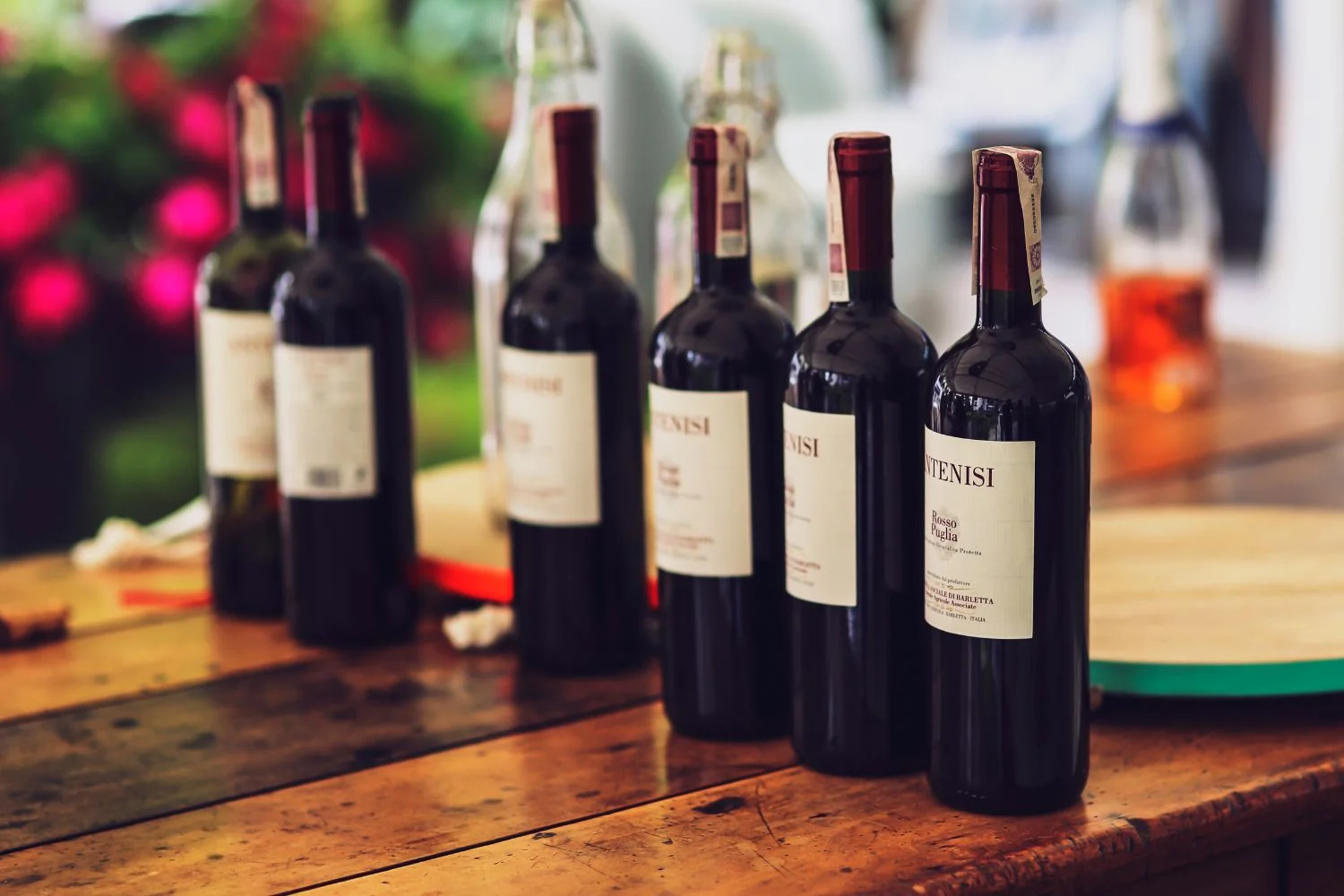
Must-Visit Paso Robles Wineries
Paso Robles is home to more than 200 wineries, ranging from legacy producers to highly regarded boutique estates. The region’s strongest winery list includes a mix of Cabernet-focused houses, Rhône specialists, Zinfandel producers, and estates known for scenic tasting experiences.
- Tablas Creek Vineyard
- J. Lohr Vineyards & Wines
- JUSTIN Vineyards & Winery
- DAOU Vineyards
- Halter Ranch
- Peachy Canyon Winery
- Turley Wine Cellars
- Vina Robles
- Adelaida Vineyards & Winery
- Epoch Estate Wines
- L’Aventure Winery
- Opolo Vineyards
- Bianchi Winery
- Eberle Winery
- Castoro Cellars
- Thacher Winery
- Niner Wine Estates
- Chateau Margene
- Parrish Family Vineyard
- Rava Wines + Events

Ready to Apply Your Knowledge?
Now that you’ve mastered the basics, it’s time to explore the specific grapes that bring these concepts to life.