How Wine Is Made

Winemaking is a delicate balance of ancient tradition and modern science. Discover how simple grape juice is transformed into a complex, world-class wine through the art of fermentation and aging.

THE WINEMAKING JOURNEY
separator star
HARVESTING
separator star
CRUSHING & PRESSING
separator star
FERMENTATION
separator star
CLARIFICATION
separator star
AGING
separator star
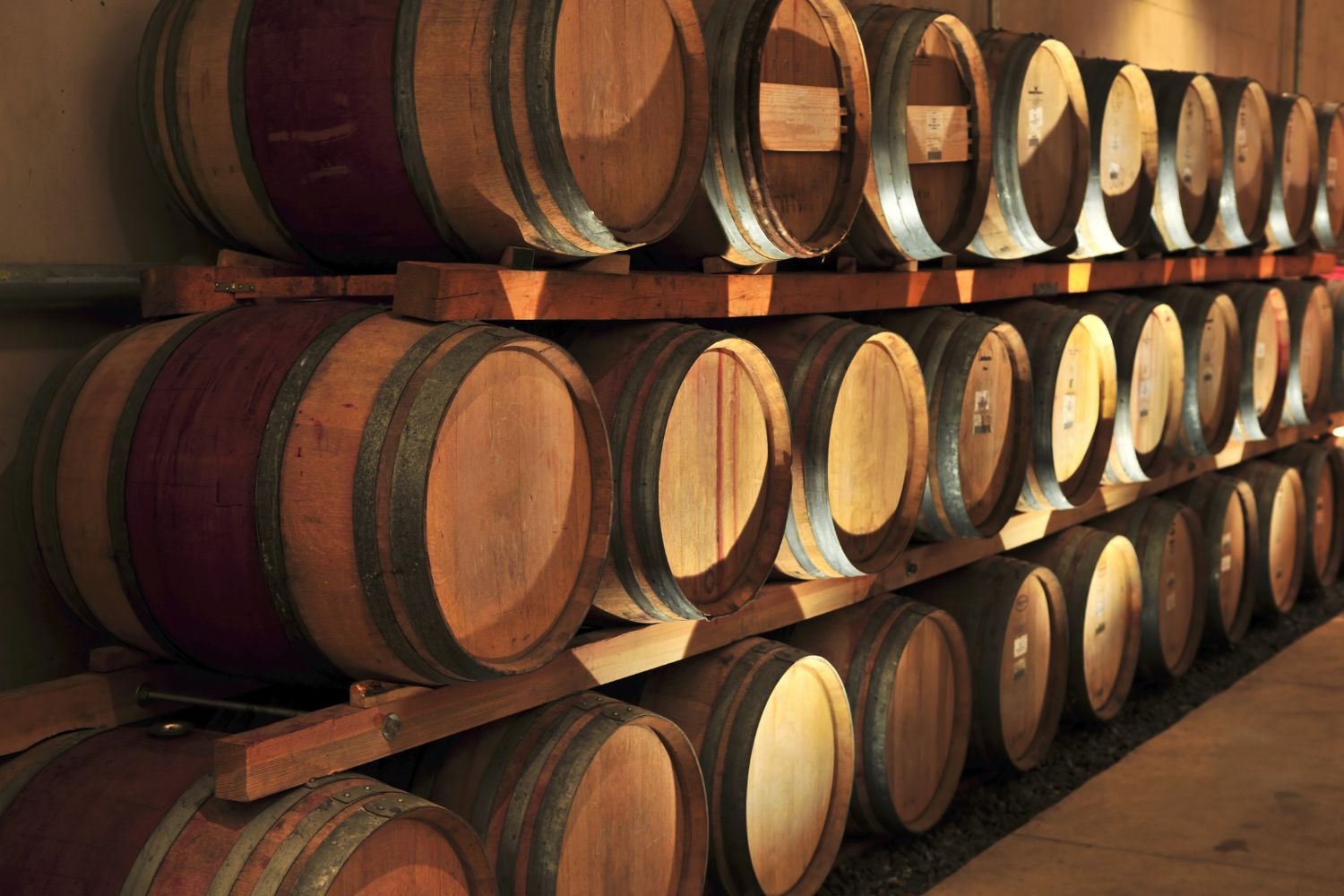
OAK BARREL MATURATION
separator star
BOTTLING
separator star
FROM GRAPE TO GLASS
separator star

The Harvest

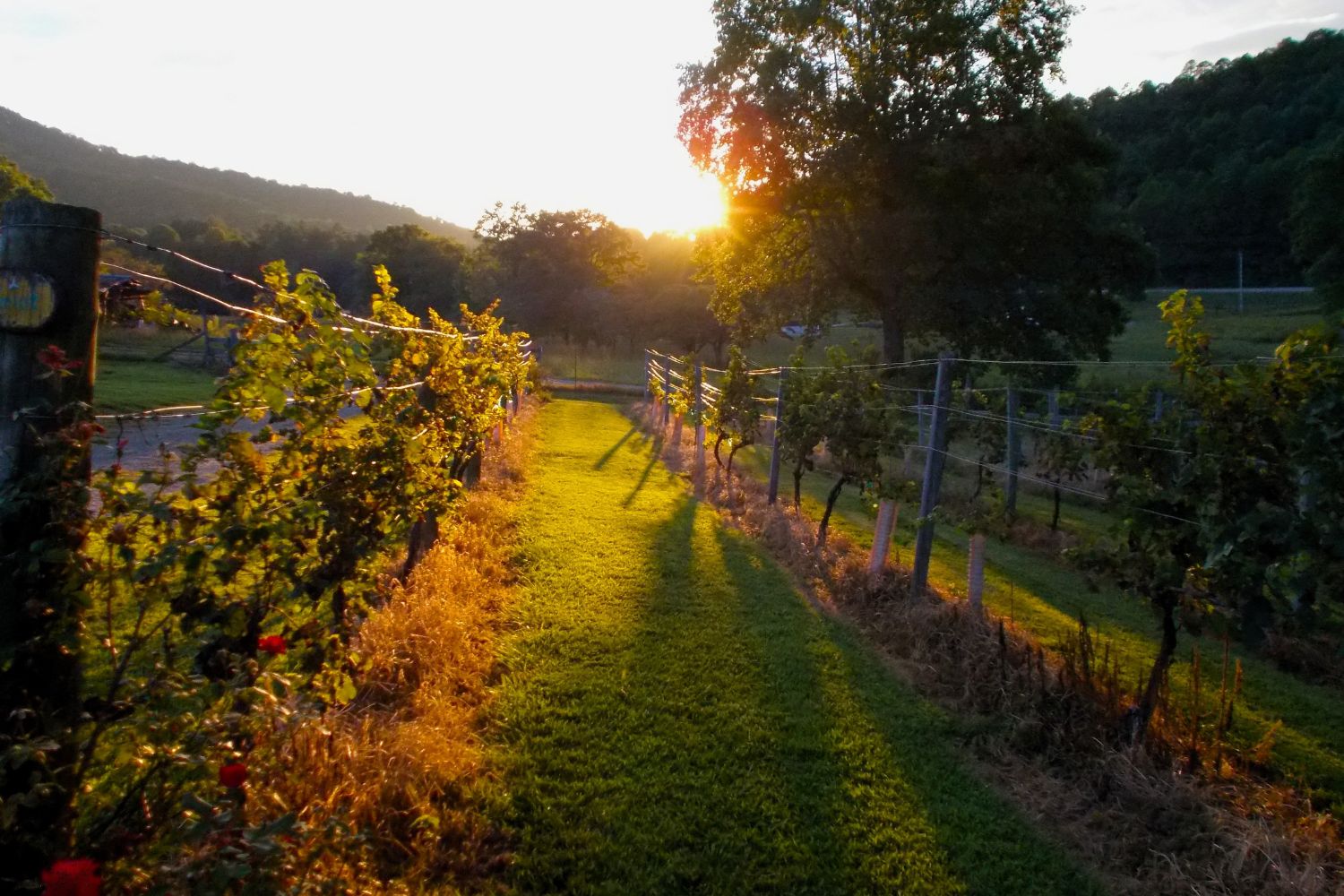
Everything starts in the vineyard. We pick the grapes at the exact moment their sugar and acid are perfectly balanced. They are then gently crushed to release the fresh juice that will become wine.

The Fermentation

This is the "magic" phase. We add yeast to the grape juice, which eats the natural sugar and turns it into alcohol. This is how simple fruit juice transforms into a complex, spirited drink.

The Aging

Most wines need time to rest. Whether they sit in stainless steel tanks for a crisp taste or oak barrels for a smooth, spicy finish, this stage allows the wine to develop its final personality.

How Wine Is Made: From Grape to Glass

Winemaking is both a precise science and a centuries-old craft, beginning in the vineyard long before a bottle ever reaches the table. It starts with harvesting grapes at their optimal ripeness, where the balance of sugar, acidity, and flavor is just right. Once picked, the grapes are sorted and either crushed immediately for white wines or left with their skins for red wines to extract color, tannins, and structure. Fermentation is the defining stage, where natural or cultured yeasts convert grape sugars into alcohol, releasing heat and carbon dioxide in the process. This transformation is what turns simple fruit juice into wine. For red wines, this stage often includes extended skin contact, while white wines are typically fermented without skins to preserve brightness and freshness. Temperature control, vessel choice—such as stainless steel or oak—and timing all influence the final character of the wine, shaping everything from aroma to mouthfeel.

After fermentation, the wine enters a period of refinement where it develops complexity and balance. This may include aging in oak barrels, which can add notes of vanilla, spice, or toast, or resting in stainless steel to maintain a clean, fruit-forward profile. During this time, winemakers may clarify the wine through racking or filtration, removing sediment and stabilizing the liquid before bottling. Blending is another critical step, especially for wines made from multiple grape varieties or vineyard lots, allowing the winemaker to craft a consistent and harmonious final product. Once bottled, some wines are ready to drink immediately, while others continue to evolve over months or even years. Every decision along the way—from vineyard practices to fermentation techniques—contributes to the story in the glass. Understanding how wine is made not only deepens appreciation but also helps you recognize the subtle differences that define styles, regions, and quality levels across the wine world.

how is wine made

The Four Stages of Creation

Harvesting & Crushing

The journey begins in the vineyard. Grapes are picked at peak ripeness and crushed to release “must”—a mixture of juice, skins, and seeds that contains the foundation of the wine’s flavor.

Fermentation

Yeast is added to the juice, consuming natural sugars and converting them into alcohol. For red wines, the skins remain in the tank to provide color and tannin; for whites, the juice is fermented alone for purity.

Pressing & Clarification

Once fermentation is complete, the wine is pressed to separate the liquid from the solids. It then undergoes “fining” or filtration to ensure the final product is clear and stable.

Aging & Bottling

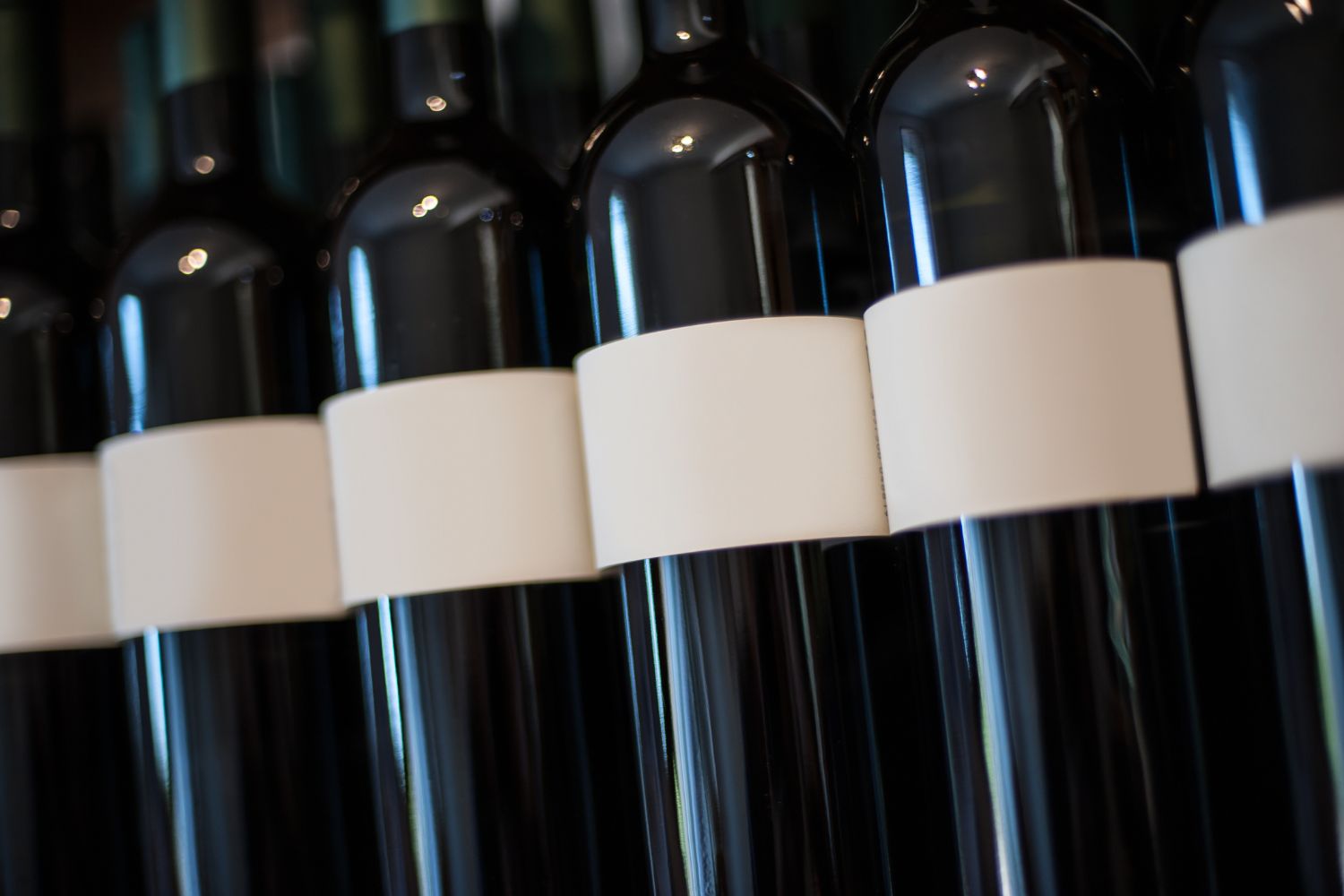
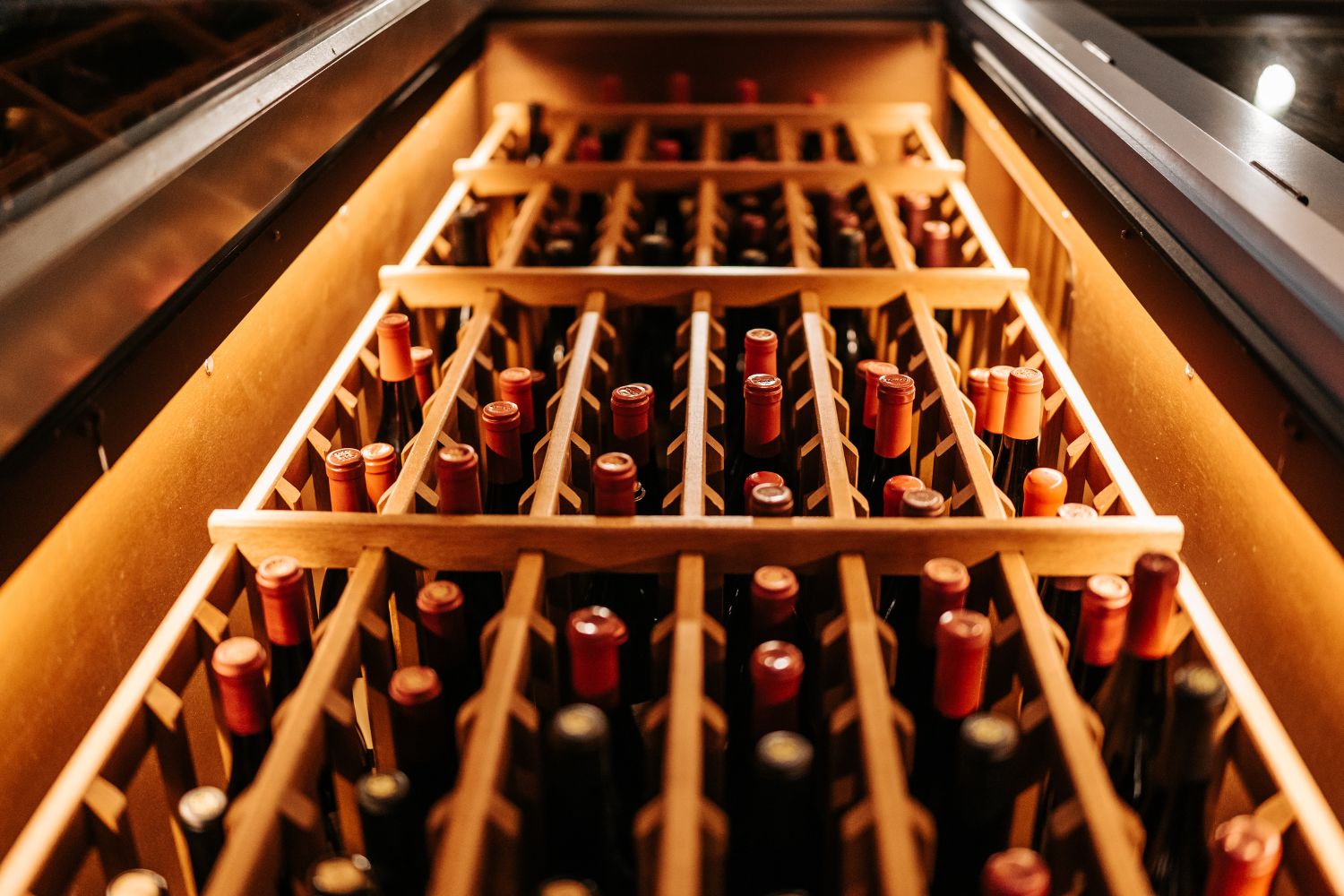
Wine is moved to stainless steel tanks or oak barrels to develop secondary flavors like vanilla or spice. After reaching maturity, it is bottled, labeled, and prepared for your glass.

Ready to Apply Your Knowledge?

Now that you’ve mastered the basics, it’s time to explore the specific grapes that bring these concepts to life.